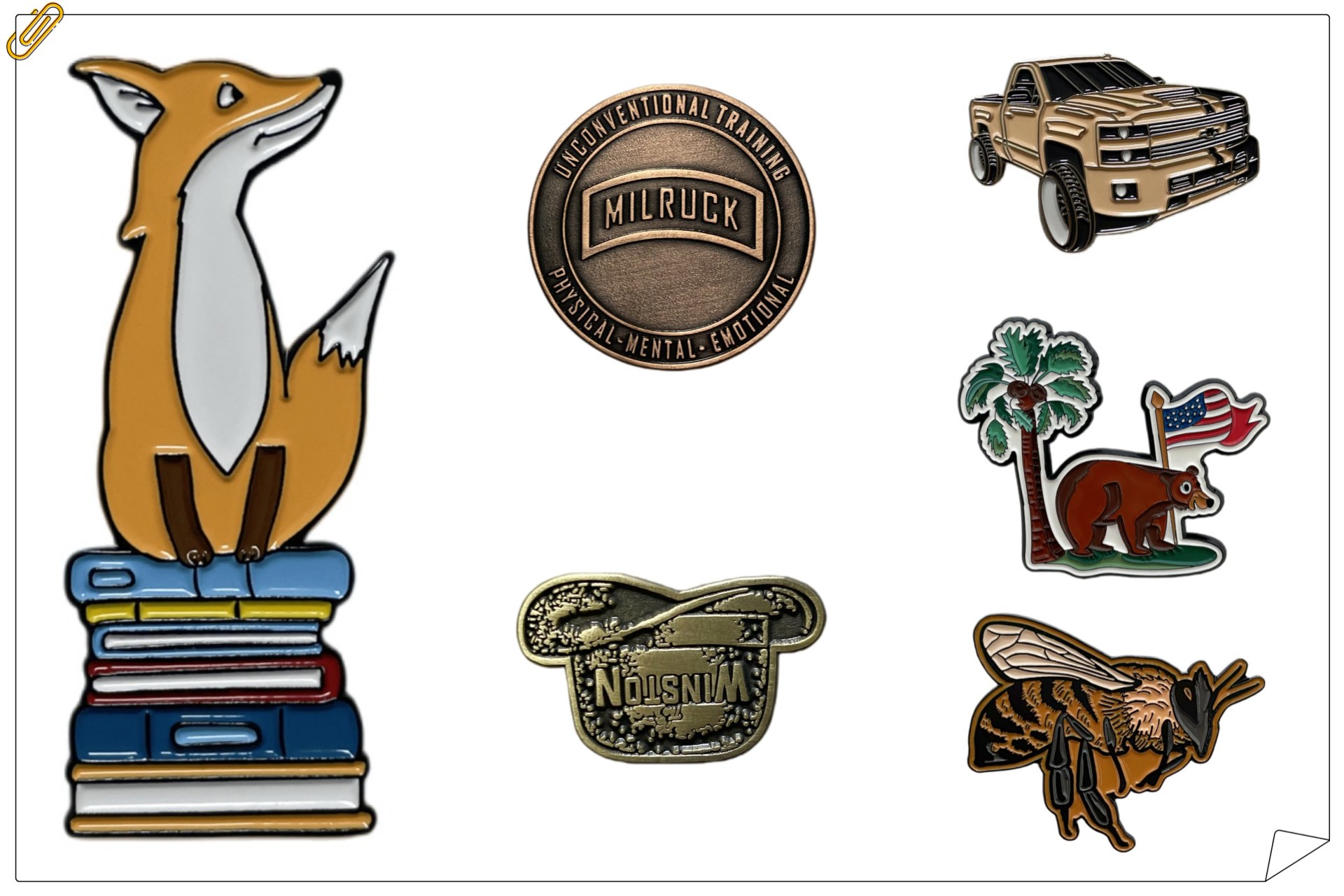
Category: Custom Badge News

Explore the latest news, guides, and industry insights about custom lapel pins, enamel badges, coins, and manufacturing processes from Pinsbadges Factory.

  • How Custom Pins Are Made: The 6-Step Manufacturing Process

    How Custom Pins Are Made: The 6-Step Manufacturing Process

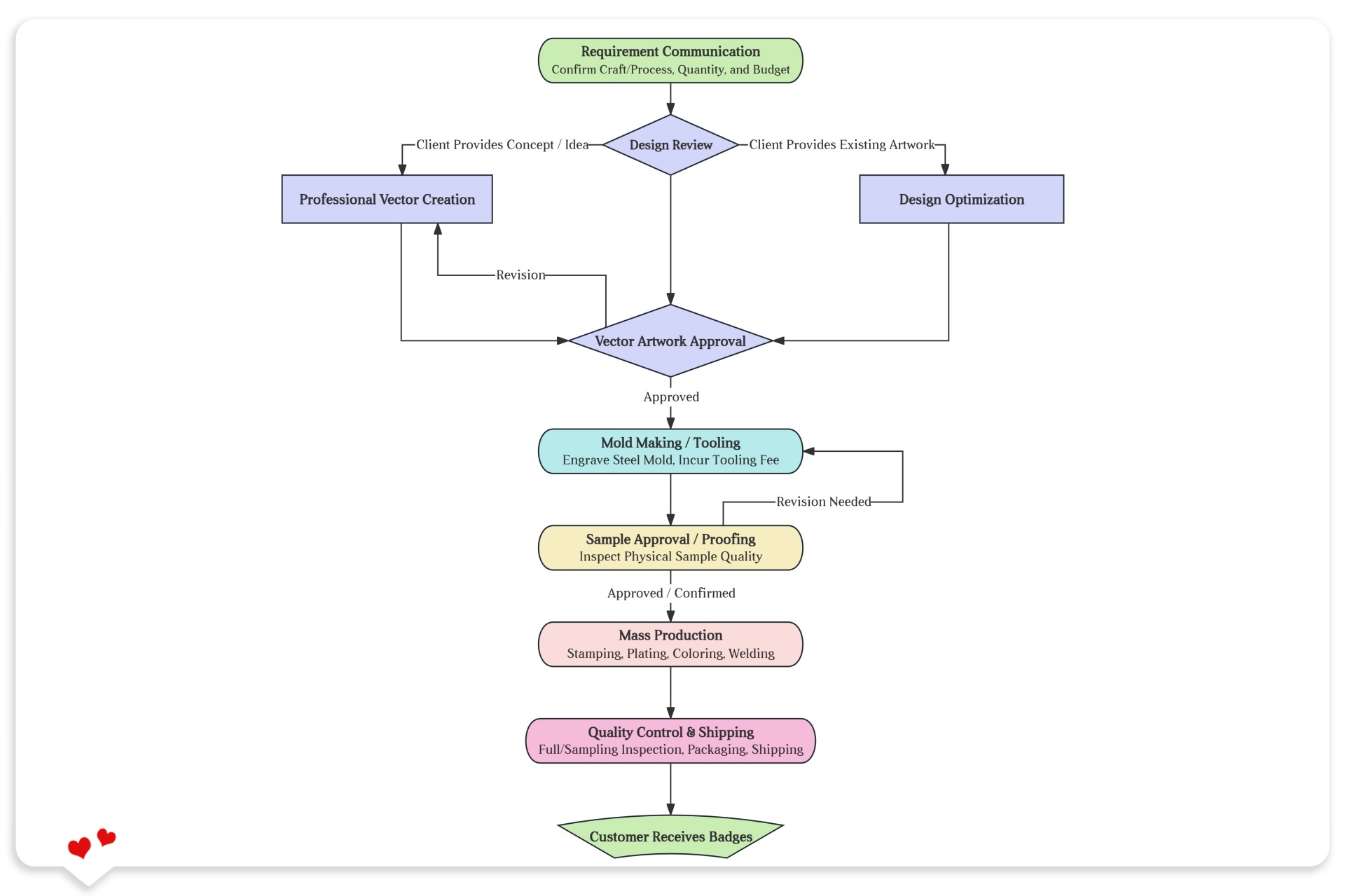
    Turning a creative concept into a tangible, high-quality custom metal badge might seem complex, but the process is straightforward when broken down. Whether you are creating fan merchandise, corporate promotional items, or commemorative event pins, every custom pin undergoes a precise 6-step manufacturing workflow.

    Here is your complete guide to how custom lapel pins are made from idea to finished product.

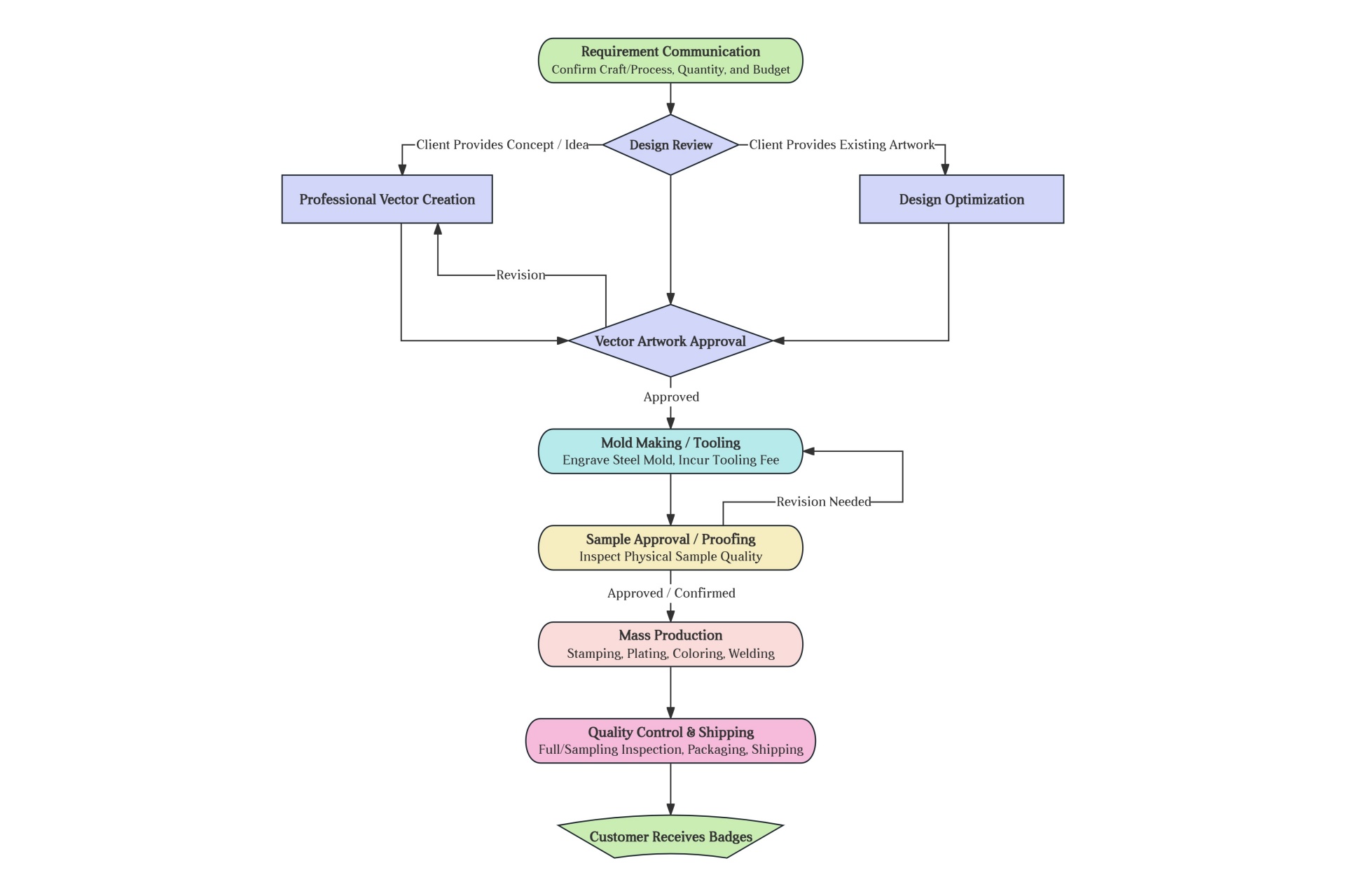
    custom-pin-badge-order-workflow

    custom-pin-badge-order-workflow


    Step 1: Requirements & Project Scope

    Every successful custom pin project begins with clear communication. Before production starts, you will work with your manufacturer to finalize key project parameters:

    Purpose & Budget: Are these for corporate branding, retail sales, or trade show giveaways?

    Pin Style & Process: Choose between hard enamel pins, soft enamel, die-struck metal, or UV printed pins.

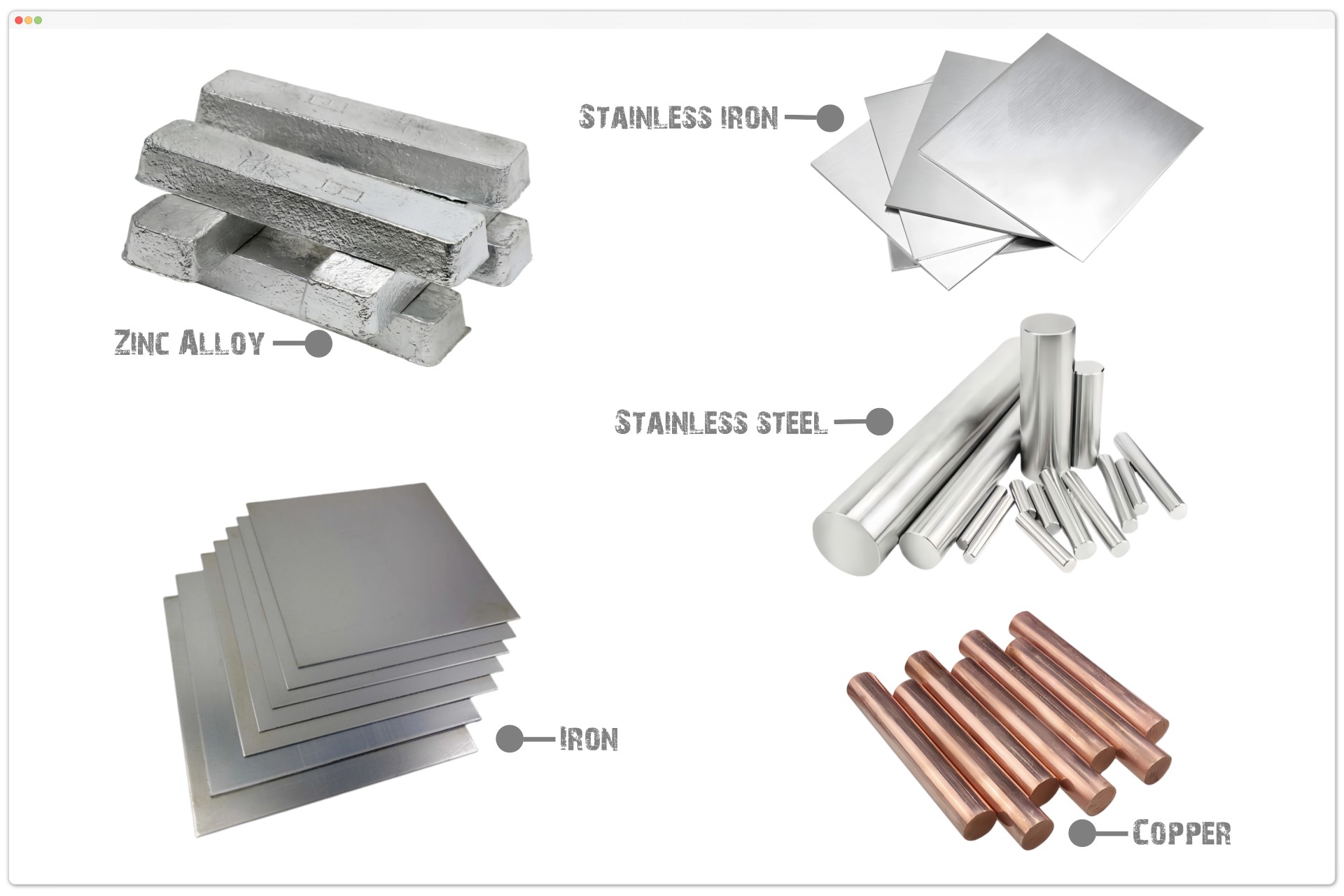
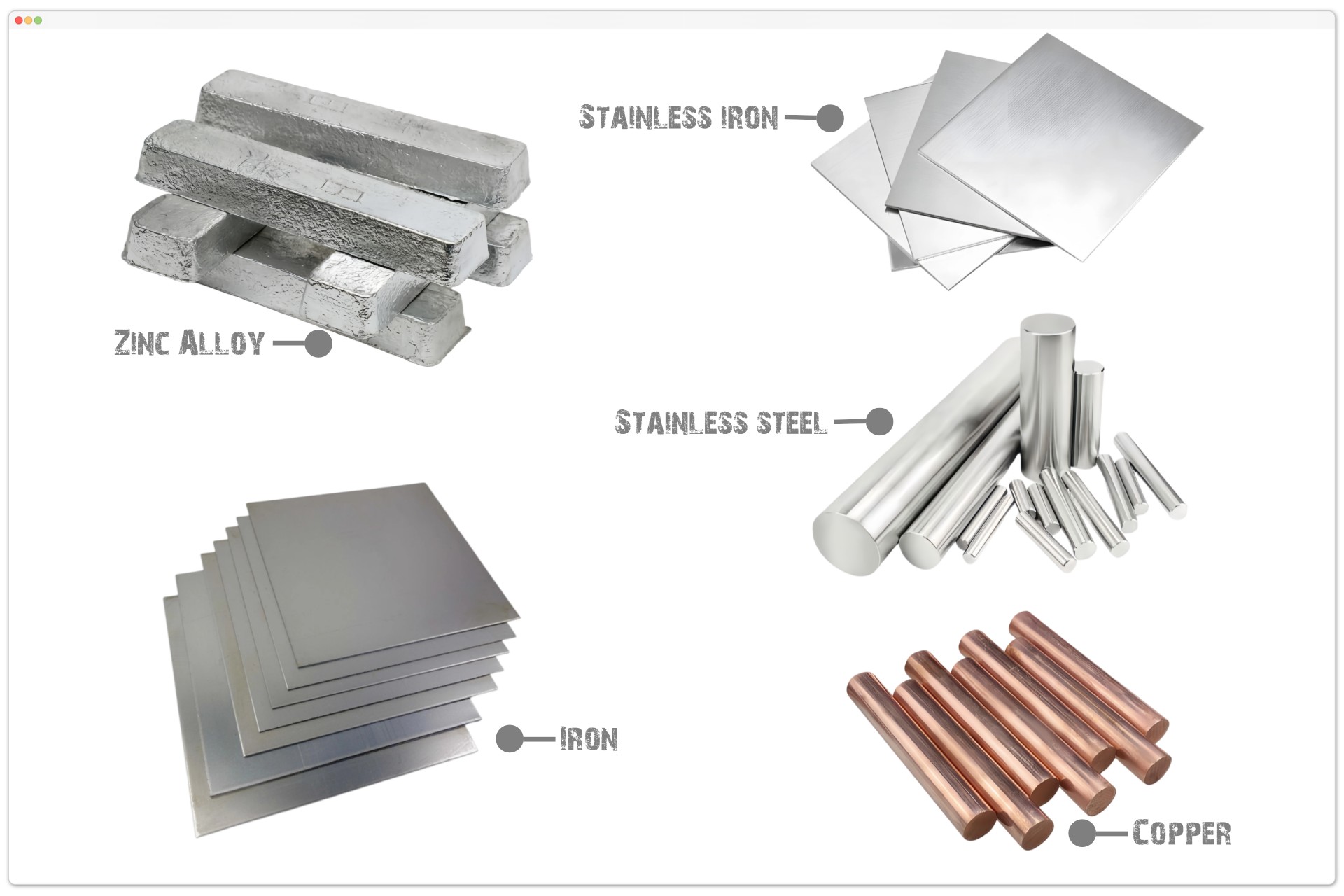
    ● Size, Shape & Material: Decide on dimensions, custom die-cut shapes, and base metals (zinc alloy, iron, or brass).

    ● Quantity & Timeline: Determine your order volume and event deadline.

    Key Deliverable: A clear order spec sheet and cost estimate.


    Step 2: Design & AI Vector Artwork

    Visualizing your design is a crucial milestone, divided into two key phases:


    Submitting Your Concept: You can provide sketches, reference images, logos, or detailed text descriptions.

    Creating Vector Artwork: Your manufacturer or designer converts your idea into an AI or CDR vector file using professional software like Adobe Illustrator.

    Why Vector Artwork Matters:
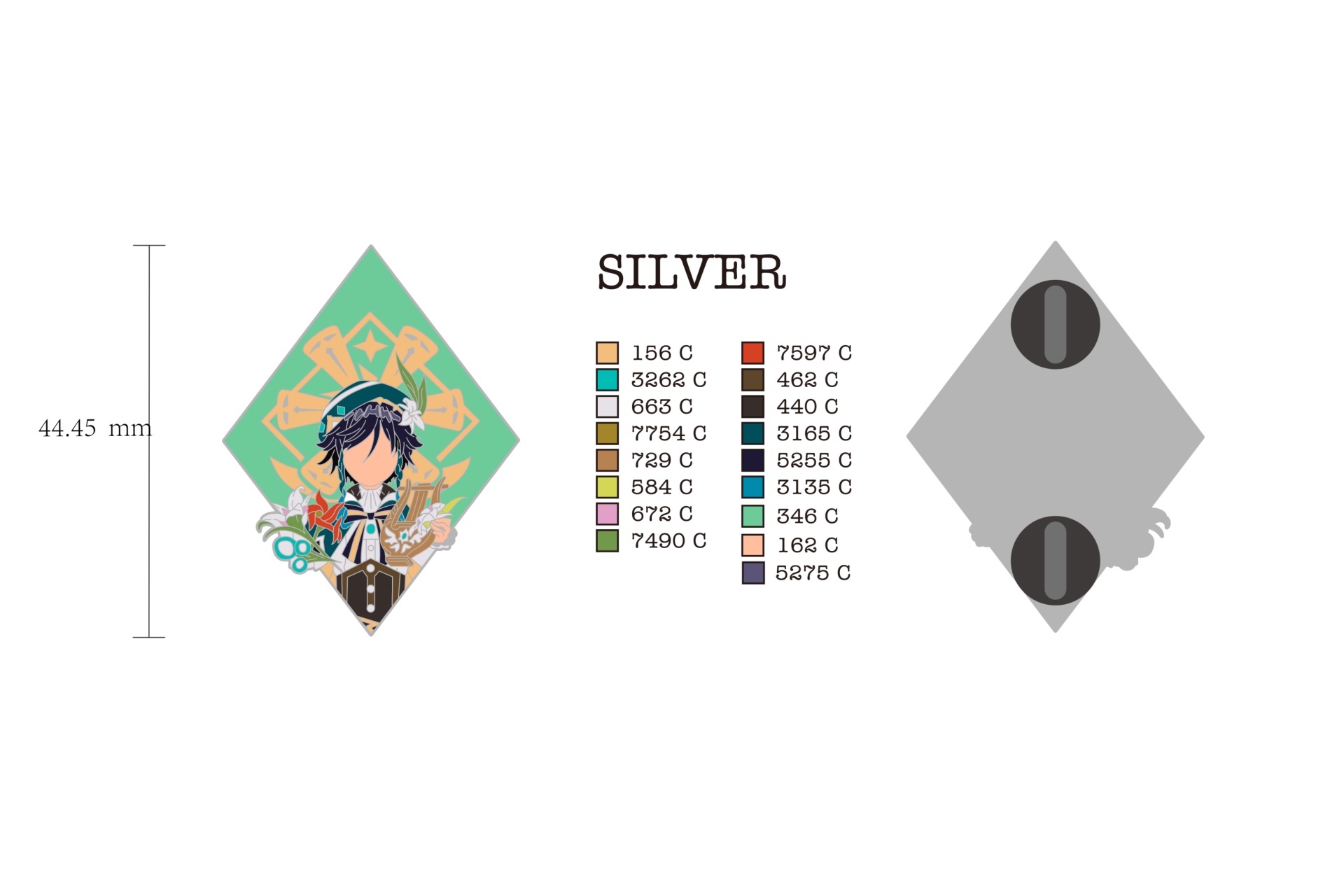
    Unlike standard raster images (JPEGs/PNGs), vector files use mathematical paths rather than pixels. They can be scaled infinitely without losing quality, defining every line, metal border, and Pantone color zone needed to carve the steel mold.


    Key Deliverable: An approved vector artwork proof signed off by both parties.

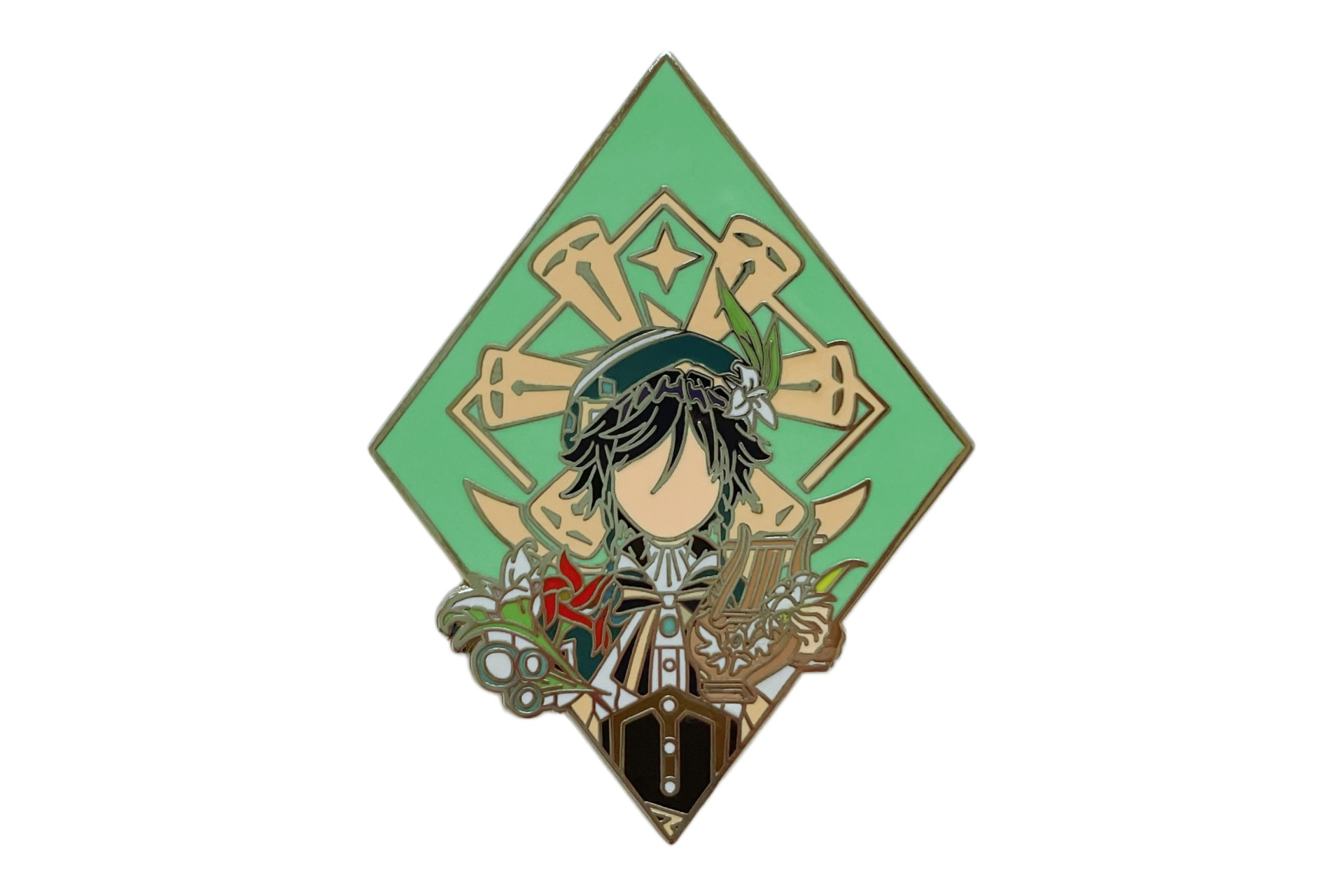
    genshin-venti-rhombus-pins-design

    genshin-venti-rhombus-pins-design


    Step 3: Steel Mold Tooling

    Once vector artwork is locked in, precision CNC engraving machines carve your custom design into a steel block, creating a die mold.

    Tooling Fee: This step involves a one-time mold fee. Most manufacturers waive or refund this fee for large bulk orders or future re-orders.

    Mold Uniqueness: Every custom design requires a dedicated, custom-carved steel mold.

    Key Deliverable: A hardened steel mold featuring your pin design in inverse relief.


    Step 4: Sample Approval & Physical Proofing

    Before launching full-scale manufacturing, a physical pre-production sample (typically 3–5 pieces) is produced using your custom mold.

    Purpose: Inspect physical build quality, metal lines, plating, and color accuracy against the original proof.

    Importance: Pre-production sampling is your final opportunity to make adjustments before mass production begins.

    Sample Fee: Sampling fees are standard, though often credited toward the final balance of a bulk order.

    Key Deliverable: Physical sample pins approved for mass production.


    Step 5: Mass Production & Assembly

    After sample sign-off, full-scale production begins through several specialized factory processes:

    ①Stamping / Die-Casting: High-pressure stamping or casting shapes the raw metal blanks using your custom mold.

    ②Electroplating: Base metals are plated in nickel, gold, rose gold, silver, or antique finishes.

    ③Color Filling:

    ● Hard Enamel: Recessed areas are filled with color paste, baked, and polished flat.

    ● Soft Enamel: Recessed areas are filled with liquid enamel paint and oven-cured, leaving raised metal edges.

    ④Polishing: Surfaces are smoothed to a reflective finish.

    ⑤Protective Coating: Transparent epoxy or clear seals are applied if needed for added durability.

    ⑥Attachment Soldering: Butterfly clutches, safety pins, or magnetic backings are soldered securely to the back.

    Key Deliverable: Fully assembled, semi-finished custom pin inventory ready for final review.

    genshin-venti-rhombus-pins

    genshin-venti-rhombus-pins


    Step 6: Quality Control, Packaging & Shipping


    Every finished batch undergoes strict inspection—checking for plating flaws, enamel pinholes, or incorrect color fills.

    Once approved, pins are individually packaged into OPP bags, custom backing cards, or velvet gift boxes before being packed and shipped to your door via express air courier.

    Key Deliverable: Flawless custom lapel pins delivered directly to you.


    The 6-Step Workflow Summary

    Concept → Vector Artwork → Mold Tooling → Sample Approval → Mass Production → QC \& Shipping


    Pro Tips for Ordering Custom Pins


    Budget Planning: Account for potential artwork adjustments, one-time mold fees, and sample shipping fees in your total budget.

    Lead Time Management: The standard manufacturing cycle ranges from 15 to 30 business days depending on design complexity and order volume. Always order early for fixed-date events.

    Partnering with the Right Supplier: A reliable custom manufacturer will guide you through plating options, color matching, and design feasibility at every stage.


    Ready to Bring Your Pin Design to Life?


    Contact our production team today with your rough sketch or vector artwork to receive a free quote and digital proof!

  • The Ultimate Guide to Pin Care — By Material

    The Ultimate Guide to Pin Care — By Material


    1. The Golden Rules of Pin Care

    Before diving into specific methods, follow these three essential principles to prevent damage:

    1. Avoid Friction
    Keep your pins from rubbing against hard surfaces, which can cause scratches or chipped paint.

    2. Keep Them Dry
    Moisture is the biggest enemy of metal pins—it leads to oxidation, rust, and discoloration.

    3. Stay Away from Chemicals
    Avoid contact with sweat, cosmetics, cleaning products, alcohol, and other chemicals. These can corrode plating and damage the finish.


    2. Care Tips by Pin Material

    Different materials require different care approaches. Use this quick guide:

    Copper Pins

    • Main concern: Oxidation (green tarnish), loss of shine
    • Cleaning: Wipe with a soft dry cloth; use a copper polish for stubborn stains
    • Avoid: Humid environments and excessive handling

    Iron Pins

    • Main concern: Rust (seriously affects appearance)
    • Cleaning: Keep dry; lightly sand minor rust spots and touch up if needed
    • Avoid: High heat and humidity

    Silver Pins

    • Main concern: Tarnishing (turning black), dullness
    • Cleaning: Use a silver polishing cloth; silver cleaner (use with caution)
    • Avoid: Sulfur exposure (e.g., rotten egg odors in the air)

    Enamel Pins

    • Main concern: Chipping from impact
    • Cleaning: Use a soft brush for crevices and a soft cloth for the surface
    • Avoid: Mixing with hard objects and sudden temperature changes

    Imitation Enamel / Painted Pins

    • Main concern: Scratches and fading from UV exposure
    • Cleaning: Gently wipe with a microfiber cloth
    • Avoid: Direct sunlight and chemical solvents

    Quick Notes:

    • Copper pins: Avoid acidic cleaners—they speed up oxidation.
    • Iron pins: Treat rust immediately to prevent spreading.
    • Silver pins: Be careful with liquid cleaners—they can damage the surface if misused.
    • Enamel pins: Durable but brittle—handle with care to avoid chips.
    • Painted pins: Softer surface, so protect them from scratches.


    3. Professional Storage & Collection Tips

    Proper storage is key to long-term preservation.

    1. Individual Protection

    • Best options: Pin display cases (plastic or acrylic) or thick resealable polyethylene bags
    • Cushioning: Line storage boxes with soft cloth or foam to prevent movement
    • Moisture control: Add silica gel packets and replace them regularly

    2. Environment Control

    • Location: Store in a cool, dry, and dark cabinet or drawer
    • Temperature & humidity: Ideal humidity is 40%–50% with stable temperature
    • Avoid: Basements, bathrooms, and kitchens (high moisture areas)
    • No direct sunlight: UV exposure is a major cause of fading

    4. Cleaning Steps

    1. Routine Dusting

    Use an air blower or a soft brush (like a makeup brush) to remove surface dust and debris from small gaps.

    2. Deep Cleaning

    • Metal areas: Gently wipe with a microfiber cloth (like a lens cloth). For fingerprints or stains, use a small amount of clean water and dry immediately.
    • Enamel/painted areas: Use a damp cotton swab to clean spots, then quickly dry with a soft cloth.

    3. What NOT to Do

    • Never soak pins in water or cleaning solutions
    • Never use paper towels, rough fabrics, toothpaste, or soap
    • Never scrub aggressively—this can cause permanent scratches

    5. Essential Pin Care Checklist

    Tools:

    • Soft brush
    • Air blower
    • Microfiber cloth
    • Cotton swabs

    Supplies:

    • Pin storage cases or resealable bags
    • Silica gel (desiccant packs)

    Habits:

    • After wearing, wipe off sweat and dust with a soft cloth
    • Store pins properly right after use

    Mindset:

    • Handle with care
    • Limit air exposure
    • Maintain stable temperature and humidity

    By following these guidelines, your pins will stay bright, well-preserved, and full of both value and memories for years to come.

  • Custom Enamel Pins Craze: Why Small Pins Carry Big Meaning in 2026

    Custom Enamel Pins Craze: Why Small Pins Carry Big Meaning in 2026

    1.Introduction: Why Custom Enamel Pins Are Suddenly Everywhere

    Custom enamel pins have become one of the fastest-growing trends in fashion, branding, and collectibles in recent years. From streetwear brands to corporate events, these small accessories are now widely used to express identity, promote brands, and build emotional connections.

    Unlike ordinary accessories, custom pins combine art, storytelling, and marketing power in a compact form. This is why demand for custom enamel pins continues to rise globally in 2026.

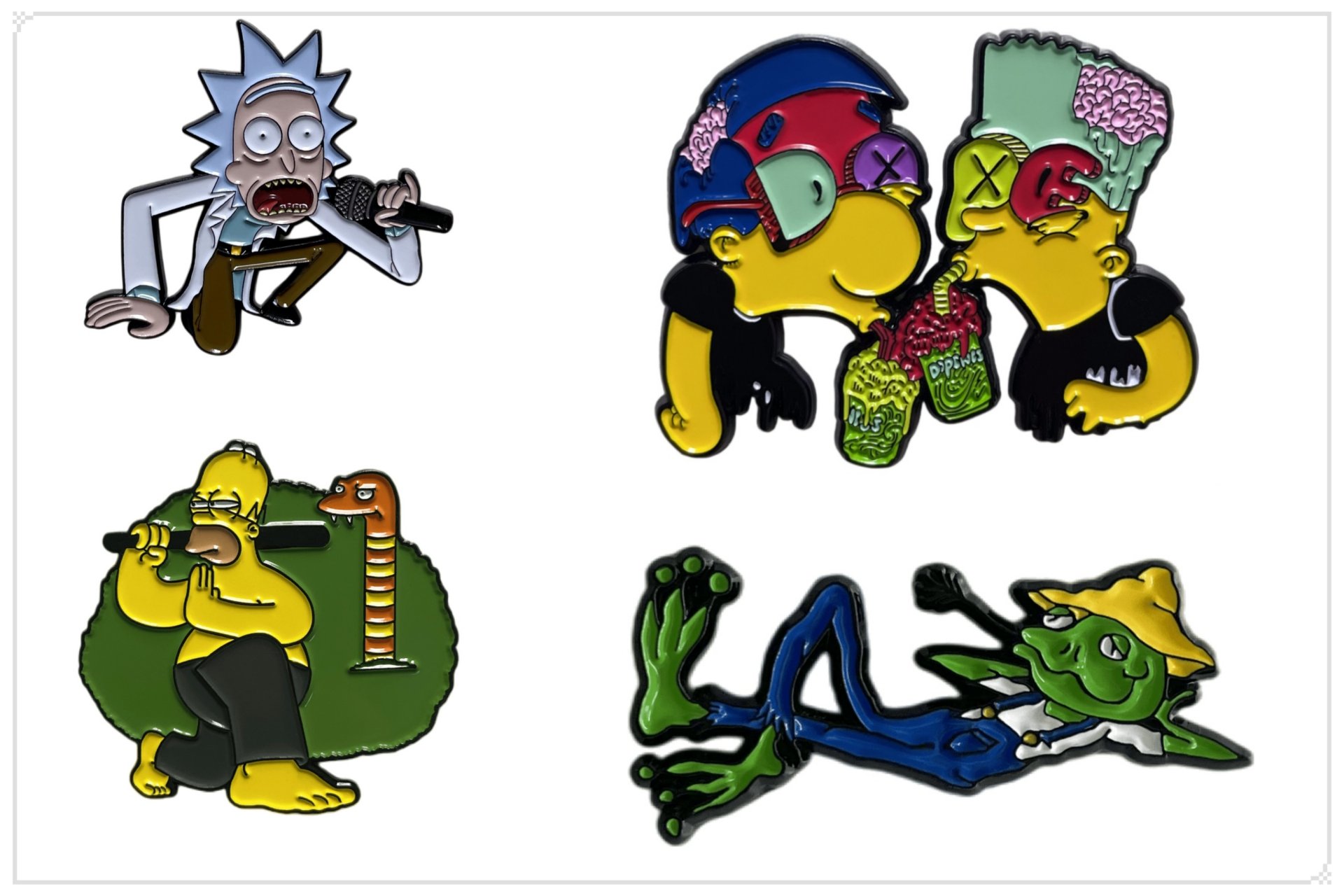
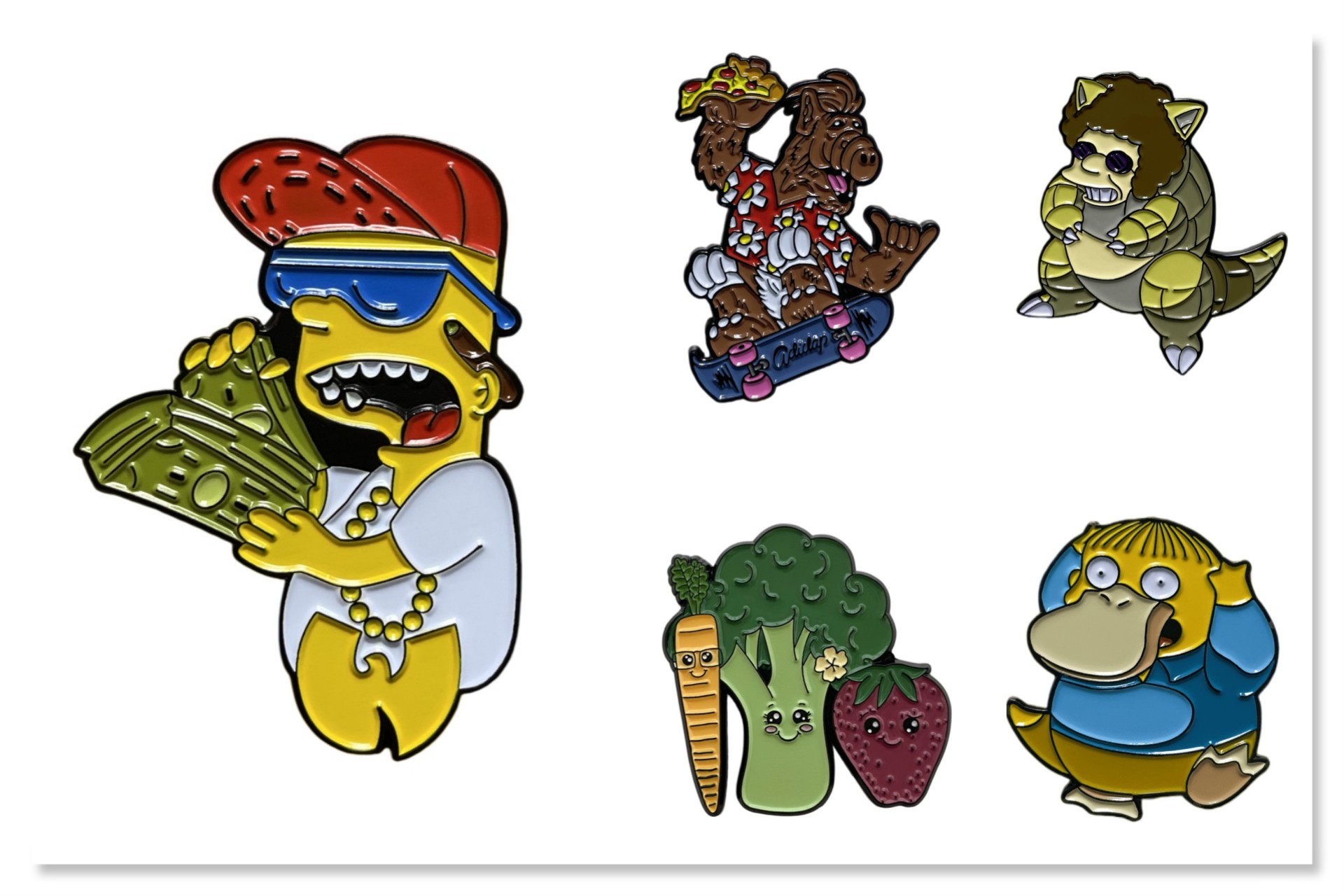
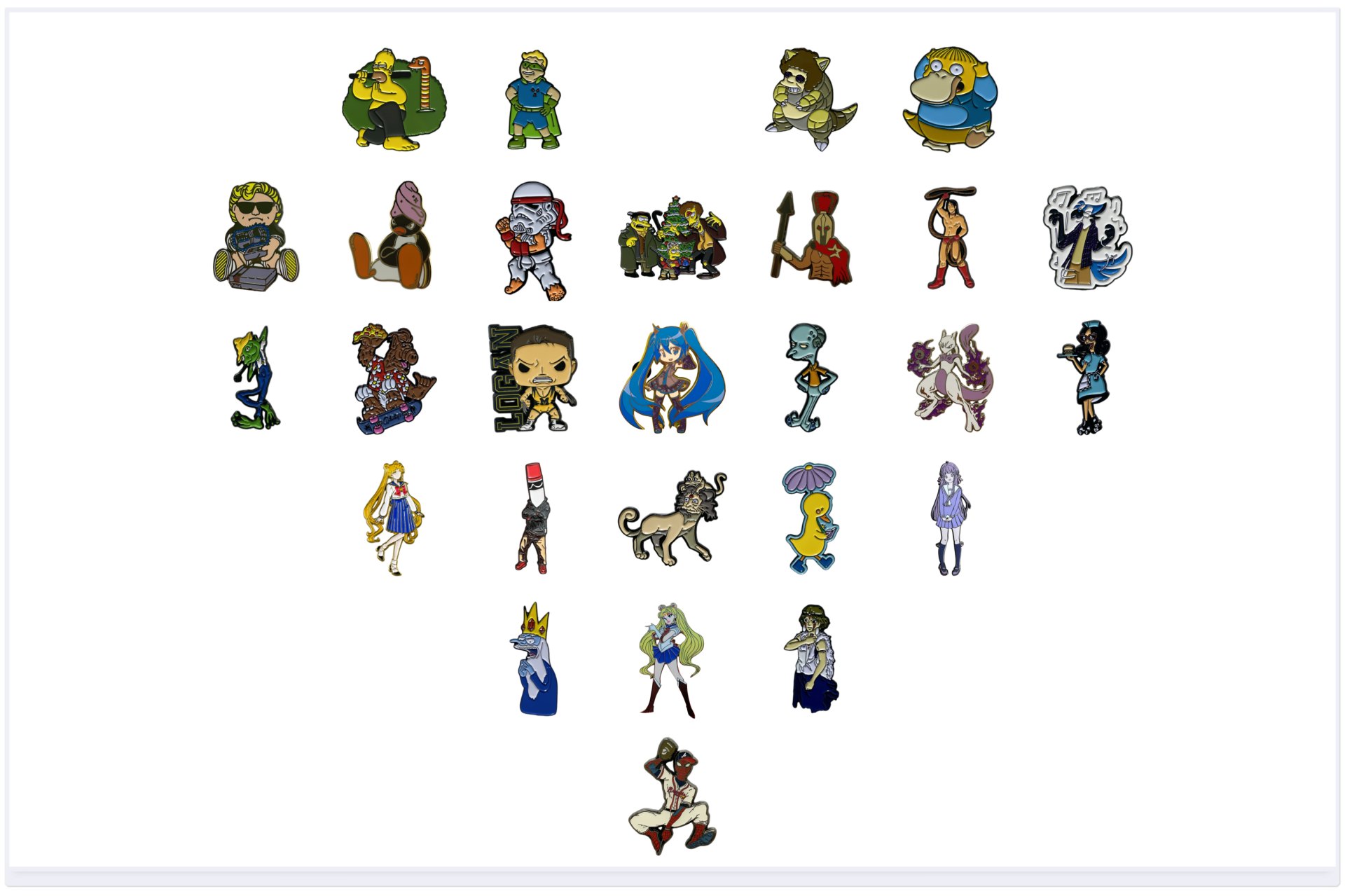
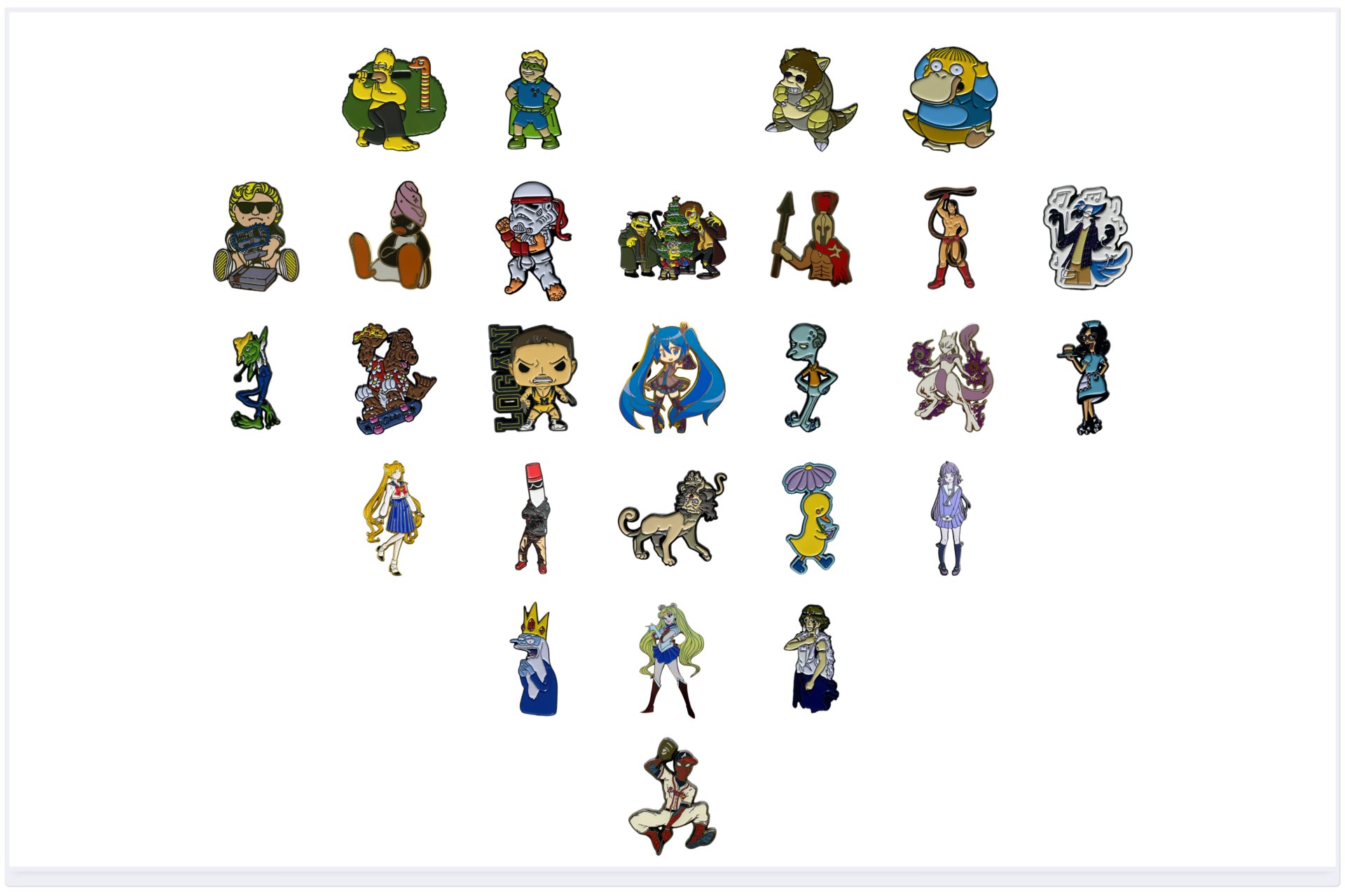
    mixed-retro-cartoon-game-character-soft-enamel-pins

    custom-soft-enamel-pins-retro-cartoon-game-character-collection-showcase


    2.What Are Custom Enamel Pins?

    Custom enamel pins are small decorative items made from metal and filled with colored enamel. They are designed based on custom artwork, logos, or symbolic ideas.
    They are commonly used as:

    ● Brand promotional products
    ● Fashion accessories
    ● Event souvenirs
    ● Club or organization badges
    ● Collectible items

    Because of their flexibility in design and low production cost, enamel pins have become one of the most popular custom products worldwide.


    3.Why Custom Pins Have Become So Popular

    3.1 Strong Identity Expression

    People use pins to show:

    ● Personal interests
    ● Political views
    ● Cultural identity
    ● Fandom communities

    A small pin can represent a strong personal message.


    3.2 Affordable but High Value Branding Tool

    For businesses, custom enamel pins are a cost-effective marketing tool.

    Compared to other promotional products, pins offer:

    ● Low production cost
    ● High design flexibility
    ● Long-lasting visibility
    ● Strong brand recall

    3.3 Rising Trend in Fashion and Streetwear
    Fashion brands now use enamel pins as part of their product identity. They are often added to:

    ● Jackets
    ● Backpacks
    ● Hats
    ● Lanyards

    This has made pins a core part of modern street fashion culture.

    3.4 Collectible Culture Growth
    Many users collect pins as a hobby. Limited editions and unique designs
    increase their value and desirability.

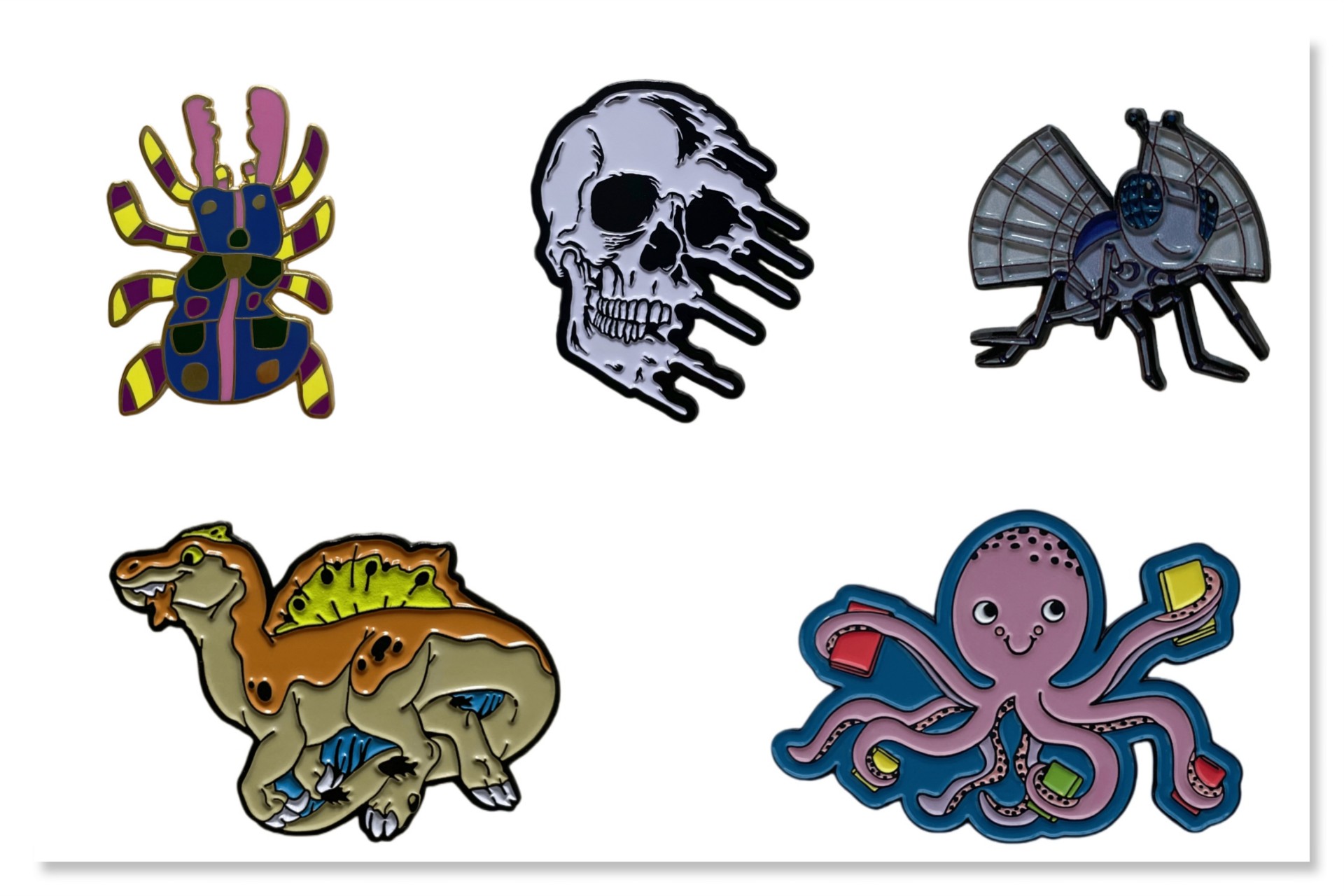
    custom-soft-enamel-pins-weird-creature-gothic-cartoon-collection-showcase

    custom-soft-enamel-pins-weird-creature-gothic-cartoon-collection-showcase


    4. How Custom Enamel Pins Are Made

    The production process usually includes:
    4.1 Design Creation
    The artwork is converted into a pin-ready vector design.

    4.2 Mold Production
    A metal mold is created based on the design.

    4.3 Stamping
    Metal sheets are stamped into pin shapes.

    4.4 Coloring (Enamel Filling)
    Colors are filled into recessed areas.

    4.5 Polishing & Plating
    Pins are polished and coated (gold, silver, black nickel, etc.).

    4.6 Quality Inspection
    Each pin is checked before packaging.


    5.Types of Custom Enamel Pins

    ● Soft enamel pins
    ● Hard enamel pins
    ● Die-struck pins
    ● 3D molded pins
    ● Glow-in-the-dark pins

    Each type offers different visual and tactile effects depending on the design
    requirement.


    6.How Businesses Use Custom Pins for Branding

    Companies use enamel pins in multiple ways:

    ● Employee recognition badges
    ● Brand merchandise
    ● Event giveaways
    ● Product launch gifts
    ● Influencer marketing kits

    Pins help brands create long-term emotional connection with customers.


    7.Are Custom Enamel Pins Expensive?

    The cost depends on:

    ● Size
    ● Design complexity
    ● Material type
    ● Quantity

    In general, enamel pins are considered one of the most affordable custom promotional products, especially for bulk orders.


    8.Why Custom Pins Are a Smart Marketing Choice

    Custom enamel pins offer several advantages:

    ● High perceived value
    ● Strong emotional engagement
    ● Easy distribution
    ● Long lifespan
    ● High brand visibility

    This makes them ideal for both startups and established brands.

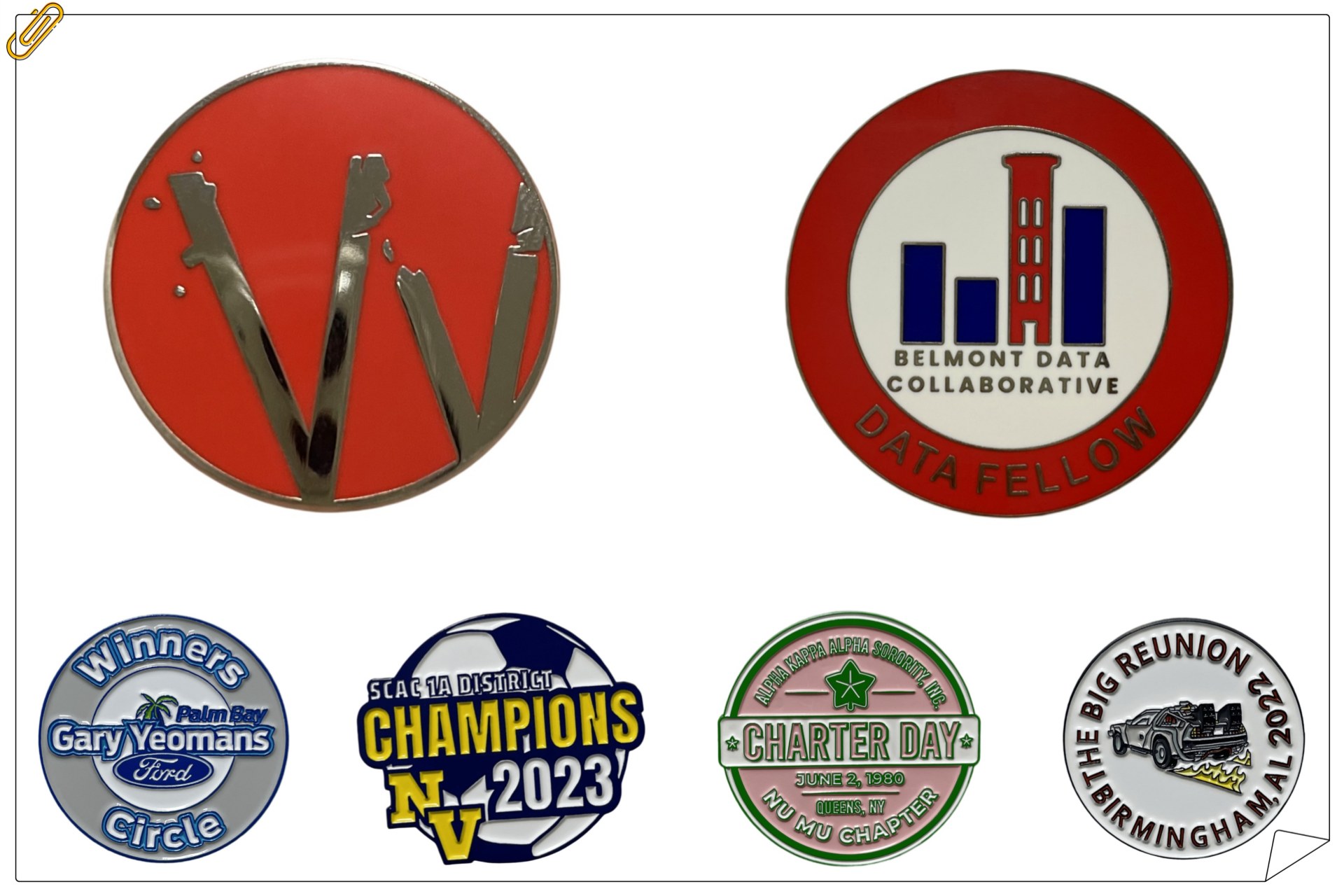
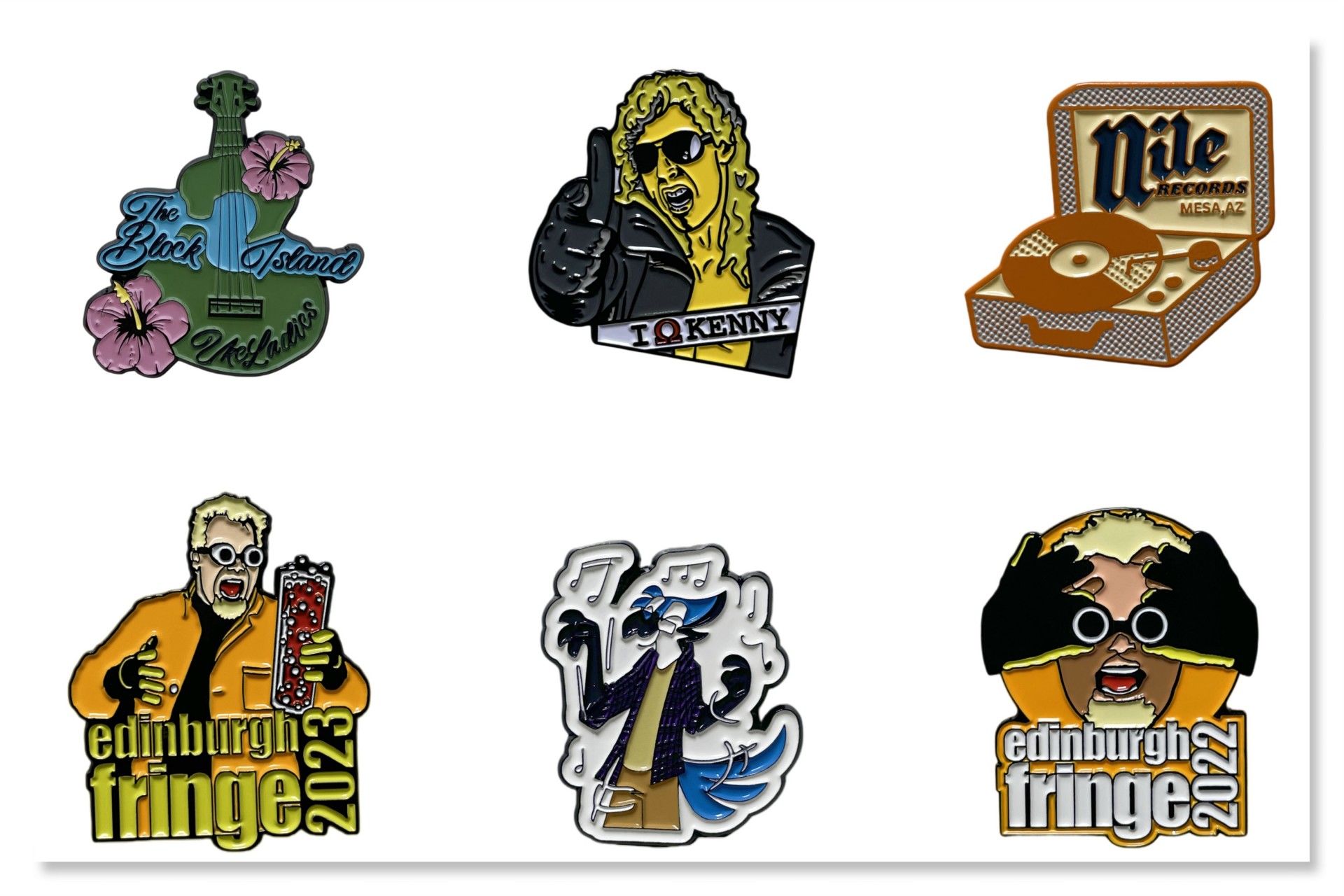
    custom-soft-enamel-pins-music-vintage-event-character-collection-showcase

    custom-soft-enamel-pins-music-vintage-event-character-collection-showcase

    9.FAQ

    Q1: What are custom enamel pins used for?
    They are used for branding, fashion, collectibles, and promotional marketing.

    Q2: Are enamel pins good for business promotion?
    Yes, they are low-cost, high-impact branding tools.

    Q3: What is the minimum order for custom pins?
    Most manufacturers support low MOQ depending on design.

    Q4: How long does it take to produce custom pins?
    Usually 7–15 days depending on complexity and quantity.


    10.Conclusion: Why Custom Pins Are More Than Just Accessories


    Custom enamel pins are no longer just decorative items. They have evolved into powerful tools for expression, branding, and storytelling.

    As demand continues to grow in 2026, custom pins will remain a strong trend in both fashion and marketing industries.

  • Lapel Pin vs Enamel Pin: What’s the Difference?

    Lapel Pin vs Enamel Pin: What’s the Difference?

    people often use “lapel pin” and “enamel pin” like they mean the same thing, but there’s a real difference:

    Lapel Pin (the big category)

    ·A lapel pin is any small decorative pin designed to be worn on clothing (traditionally on a suit lapel, but also on hats, bags, or collars).

    ·It’s a broad term that covers many types: enamel pins, metal pins, printed pins, 3D molded pins, rhinestone pins, etc.

    ·They’re often used for brand logos, organizations, awards, political symbols, awareness ribbons, or fashion accessories.

    Think of “lapel pin” as the umbrella term for the whole pin family.

    Enamel Pin (a specific type)

    ·An enamel pin is a type of lapel pin made using enamel coloring techniques.

    ·The design is stamped or cast into metal, then filled with enamel paint (soft enamel = textured, hard enamel = smooth and polished).

    ·Enamel pins are especially popular for collectibles, fandom merch, artist designs, and colorful fashion pins.

    Every enamel pin is a lapel pin, but not every lapel pin is an enamel pin.

    Comparison of lapel pins and enamel pins:

    FeatureLapel PinEnamel Pin
    DefinitionA broad term for any small decorative pin worn on clothing, usually on a jacket lapel.A type of lapel pin made by filling recessed areas with enamel paint.
    MaterialsMetal, enamel, resin, rhinestones, fabric, or a mix.Always metal base + enamel coloring (hard or soft).
    Design OptionsIncludes enamel pins, die-struck metal pins, 3D molded pins, printed pins, awareness ribbons, etc.Focused on colorful, detailed artwork; can be hard enamel (smooth) or soft enamel (textured).
    Typical UseCorporate logos, awards, recognition pins, political symbols, fashion accessories.Collectible art, fandom merch, trendy fashion pins, creative self-expression.
    Look & FeelCan be sleek, metallic, or ornamental depending on type.Vivid colors, strong lines, polished or textured surfaces.
    PopularityTraditional and versatile.Especially popular among younger audiences, artists, and collectors.


    Quick analogy:

    ·Lapel pin = “shoes”

    ·Enamel pin = “sneakers”
    All sneakers are shoes, but shoes can also be boots, sandals, or loafers.


    Key Takeaway

    ·Lapel pin is the umbrella category → covers all decorative pins.

    ·Enamel pin is one specific style of lapel pin → colorful, artistic, and highly collectible.

  • Best Material for Custom Lapel Pins – Complete Guide

    Best Material for Custom Lapel Pins – Complete Guide

    The Soul of the Lapel Pin: Reveal the Best Materials for Custom Enamel Pins, Create Your Own Eternal Mark

    A small lapel pin—pinned to a collar, backpack, or hat brim—is far more than decoration. It’s a silent declaration, a symbol of belonging, a tangible anchor of cherished memories, and a miniature totem of brand spirit. Throughout history and across cultures, enamel pins carry deep emotional weight—from the Legion’s honour medal to a limited‑edition music‑festival keepsake, from a corporate logo worn with pride to the secret code of a fan community. When you decide to customise an exclusive custom lapel pin, material choice becomes the crucial decision that gives it a unique soul, texture, and lasting vitality.

    So, with so many options, what is the best material for custom lapel pins? There’s no single answer—it depends on the story you want your pin to “tell”, the emotion it should convey, and the value you wish it to hold.


    1. Metal Lapel Pins: Eternal Classics with an Aura of Authority

    When you seek the ultimate in texture, heirloom value, and that unmistakable sense of authority, metal lapel pins reign supreme—especially when paired with enamel pin craftsmanship.

    Enamel Pins — The Crystallisation of Craft and Art

    Hard Enamel Pins / Cloisonné

    The pinnacle of craftsmanship. Metal wires (copper or gold) define the outline; coloured glazes are kiln‑fired repeatedly and then mirror‑polished. The result is a porcelain‑smooth finish, extreme hardness, deep, fade‑proof colour, and a warm, jade‑like feel—ideal for high‑end brand logos, heirloom souvenirs, and achievement medals. It embodies eternity, exquisiteness, and supreme value.

    Best substrate: premium brass base + genuine gold or silver plating.

    Soft Enamel Pins / Epoxy Enamel

    A modern classic. The metal base is stamped with recessed outlines and filled with coloured epoxy resin. The unpolished surface delivers a tactile texture (raised metal lines and slightly recessed colour fields). Colours are bright and expressive, and cost efficiency is high. Add a transparent epoxy resin dome to boost scratch resistance, fade resistance, and gloss—perfect for event souvenirs, fan enamel pins, trendy brands, and corporate promotions. It radiates vitality, creativity, and community spirit.
    Core materials: brass or zinc‑alloy base + high‑quality electroplating (imitation gold, silver, antique bronze, etc.) + epoxy‑resin dome.

    Die‑Struck Pins — A Symbol of Strength and Weight

    Process: A steel die stamps metal (usually zinc alloy) under high pressure to achieve a pronounced 3D relief.

    Features: Surfaces are finished with electroplating (gold, silver, antique bronze, nickel) or painted for detail. The resulting lines are bold, the texture substantial—ideal for conveying strength, tradition, and heritage (military and police lapel pins, club insignias, retro logos).

    Best materials: zinc alloy (durable, easily shaped, cost‑effective) + premium electroplating or paint.


    2. Embroidered Patches: Warmth, Softness, and Limitless Creativity

    For affinity, flexibility, intricate patterns, or vintage appeal, embroidered patches offer unique charm. Though not metal pins, they serve as a soft-touch alternative for apparel branding.

    Embroidered Patches — A Fusion of Craft and Touch

    Technique: Coloured threads stitched onto a base fabric (polyester, cotton, or blends). Edge finishes include raw-cut (for a retro vibe), laser-cut (for precision), or heat‑sealed (for durability).

    Features: Soft, warm feel; layered colour depth (excellent for gradients); breathable and resistant to warping. They carry a hand‑crafted feel, vintage style, and a sporty‑casual spirit—widely used on denim jackets, baseball caps, motorcycle club gear, sports‑team kits, outdoor apparel, and charity merch.

    Best materials:

    • Base fabric: durable polyester (vibrant, shrink‑resistant), soft natural cotton (cozier but prone to wrinkles), or textured PU leather.
    • Threads: high‑tenacity polyester or rayon with excellent colourfastness.
    • Backing: hot‑melt adhesive (self‑adhesive) or sew‑on options.

    Eco trend: Organic‑cotton threads and recycled‑polyester fabrics are on the rise.


    3. Silicone & PVC Pins: Trendy, Safe, and Highly Mouldable

    When you prioritise a soft touch, 3D shapes, safety (especially for children), or vibrant uniform colours, silicone pins and PVC pins shine.

    Features:

    • Soft, elastic, comfortable, and gentle on surfaces and skin.
    • Exceptional mouldability enables intricate 3D forms, cut‑outs, and even special effects (glow‑in‑the‑dark, colour‑changing).
    • Colours tend to be one‑ or two‑tone but richly saturated, giving a modern, playful vibe.
    • Waterproof and weatherproof.

    Applications: Fashion accessories, cartoon/anime merch, children’s toys, promotional giveaways, water‑bottle and bag charms, safety signage.

    Best materials: Food‑grade silicone (softer, more elastic, safer, eco‑friendlier but costlier) or PVC rubber (firmer, budget‑friendly). Quality raw materials ensure non‑toxicity, odourlessness, colour stability, and ageing resistance.


    4. Choosing the “Material” for Your Lapel Pin’s Soul: A Decision‑Making Framework

    What emotions and values do you want to convey?

    • Eternal, authoritative, collectible → Hard‑enamel enamel pin (brass + real gold/silver plating)
    • Vibrant, creative, community‑driven → Soft‑enamel lapel pin with epoxy (brass + premium plating) or high‑quality embroidered patch (polyester + colourfast threads)
    • Handmade warmth, vintage charmEmbroidered patch (cotton or polyester base)
    • Trendy, 3D, safeSilicone pin (preferably food‑grade silicone)
    • Powerful, historic, relief detail → Die‑struck zinc‑alloy lapel pin

    Usage scenario

    • Frequent daily wear/outdoors → Prioritise durability: epoxy‑dome soft enamel, die‑casting, quality embroidery, silicone.
    • Collector’s display or special occasions → Hard enamel’s timeless texture is irreplaceable.
    • Sewn onto garmentsEmbroidered patches are the natural choice.
    • Children’s items or safetySilicone pins excel.

    Design complexity

    • Ultra‑fine lines, tiny text → Soft enamel, high‑resolution digital printing, or embroidery (size permitting).
    • Large colour areas, bold hues → Hard enamel, soft enamel, or silicone offer the richest saturation.
    • Complex 3D modelling → Die‑casting or silicone.

    Budget

    • Highest investment: Hard enamel > intricate die‑casting/3D silicone > soft enamel with epoxy/high‑quality embroidery > standard soft enamel/die‑casting > basic silicone/PVC > simple printing/embroidery.

    Sustainability

    Ask suppliers about lead‑free enamels, eco‑friendly plating processes, recycled metals (e.g., recycled brass), organic‑cotton threads, recycled‑polyester bases, and food‑grade silicone.


    Conclusion: The Best Material Is the One That Tells Your Story

    There’s no one‑size‑fits‑all answer to the best material for custom lapel pins. Hard enamel metal embodies timeless artistry and top collectible value; soft enamel with epoxy strikes an ideal balance of vibrancy, detail, and durability; quality embroidery conveys unmatched handmade warmth and vintage flair; food‑grade silicone defines a trendy, safe, tactile experience; and die‑cast zinc alloy delivers strength and gravitas.

    The true “best” material is the one that perfectly matches your pin’s narrative, emotion, use case, and value proposition. By understanding each material’s “soul traits” and aligning them with your core needs, you’ll make the wisest choice.

    Ready to transform your vision into an emblem that resonates? Define the story your lapel pin needs to tell, and the perfect material will reveal itself—creating an emotional imprint worth cherishing, wearing, and proudly sharing.

  • How Custom Pins Are Made: The Ultimate Badge Manufacturing Guide

    How Custom Pins Are Made: The Ultimate Badge Manufacturing Guide

    Ever wondered how a simple sketch or digital drawing transforms into a polished, high-quality custom metal badge? Whether it is a corporate brand pin, an event commemorative badge, or collectible anime merchandise, every custom lapel pin undergoes a precise manufacturing journey blending traditional craftsmanship with modern technology.

    As a professional custom badge manufacturer at pinsbadges.com, we are opening the doors to our factory floor. Here is your complete guide to how custom pins are made—from raw materials to finished products.


    Step 1: Blueprint & Mold Tooling (Design & Engineering)

    custom-soft-enamel-pins-massive-mixed-game-anime-movie-character-collection-showcase

    custom-soft-enamel-pins-massive-mixed-game-anime-movie-character-collection-showcase

    Every high-quality custom pin starts with precise engineering. Our design team translates your artwork, sketches, or ideas into a production-ready AI vector file.
    During this stage, we lock in two critical manufacturing parameters:

    Pantone Color Matching: We use exact Pantone (PMS) color codes to guarantee accurate color representation across production batches.

    Manufacturing Process Selection: Choosing the right manufacturing technique determines the look and feel of your final pin:

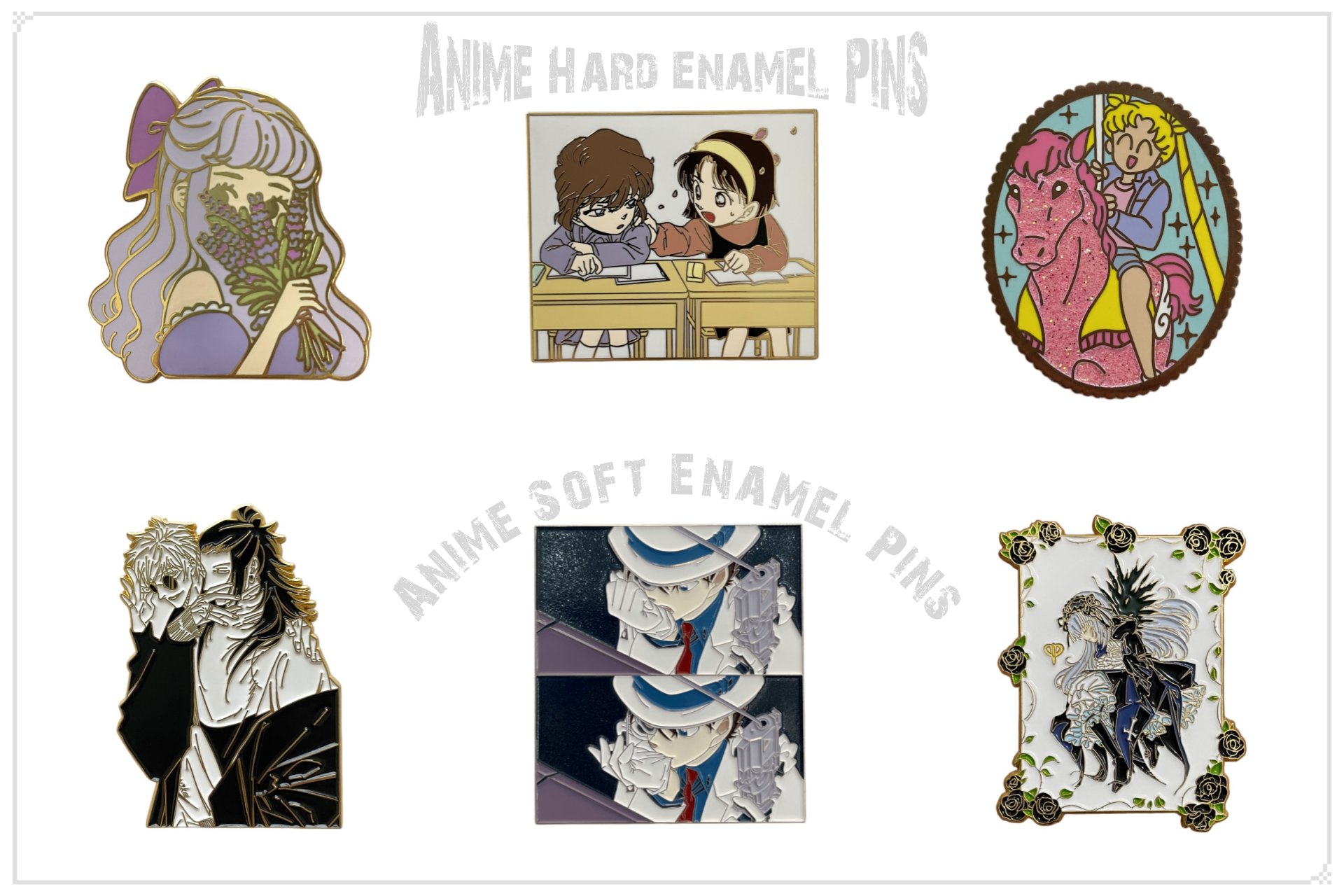
    Soft Enamel Pins: Feature vibrant colors with raised metal lines and textured recessed areas. This is the most popular, versatile, and cost-effective choice.

    Hard Enamel Pins (Cloisonné Style): Feature a smooth, porcelain-like finish polished completely flat, delivering a luxury feel and high durability.

    Printed Pins (Offset / UV Printing): Ideal for intricate artwork, gradients, fine text, or photographic designs.

    Die-Struck Pins: Rely purely on 3D raised and recessed metal relief without enamel filling, offering a classic, antique aesthetic.

    Once artwork is approved, precision CNC engraving machines carve your design into a heavy-duty steel block to create your custom steel mold (tooling die). This mold serves as the master template for all future production runs.

    Step 2: Die Stamping & Casting (Forming the Metal Blank)

    With the steel mold secured, production moves to the stamping and die-casting workshop. Depending on design specifications, we select the appropriate base metal:

    ● Zinc Alloy: Excellent for 3D designs, custom cutouts, and large-sized pins.

    ● Brass / Copper: Superior density for high-end, fine-detailed die-struck or hard enamel pins.

    ● Iron: A cost-effective choice for large volume orders.

    ● Aluminum: Lightweight option for oversized badges or lightweight wear.

    Under high pressure—ranging from tens to hundreds of tons—the metal sheet is stamped into the steel mold. In a single press, the 3D metal outline, internal details, and back-pin alignment marks are formed, creating the raw metal blank.


    Step 3: Surface Finishing & Color Filling (Plating & Enameling)

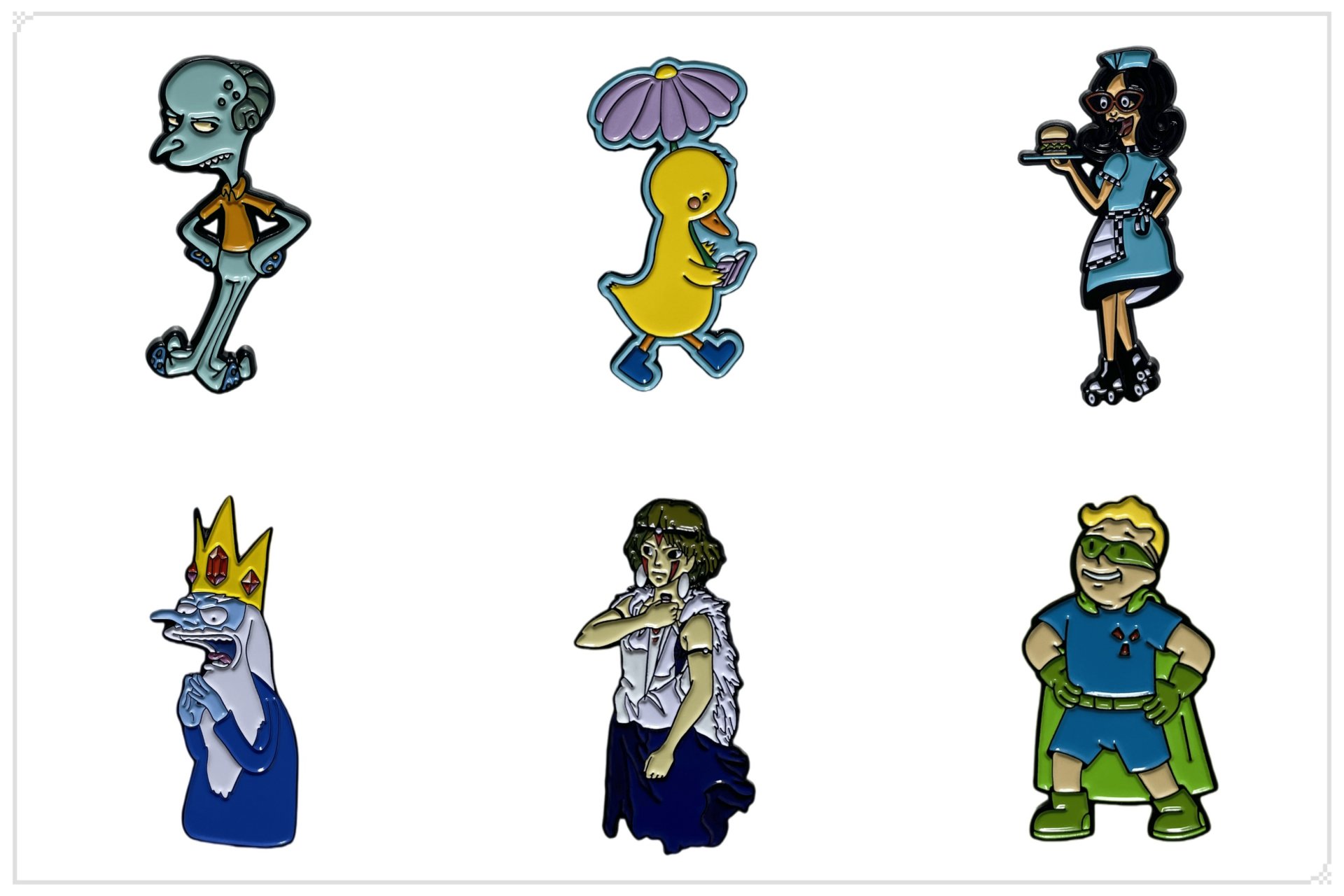
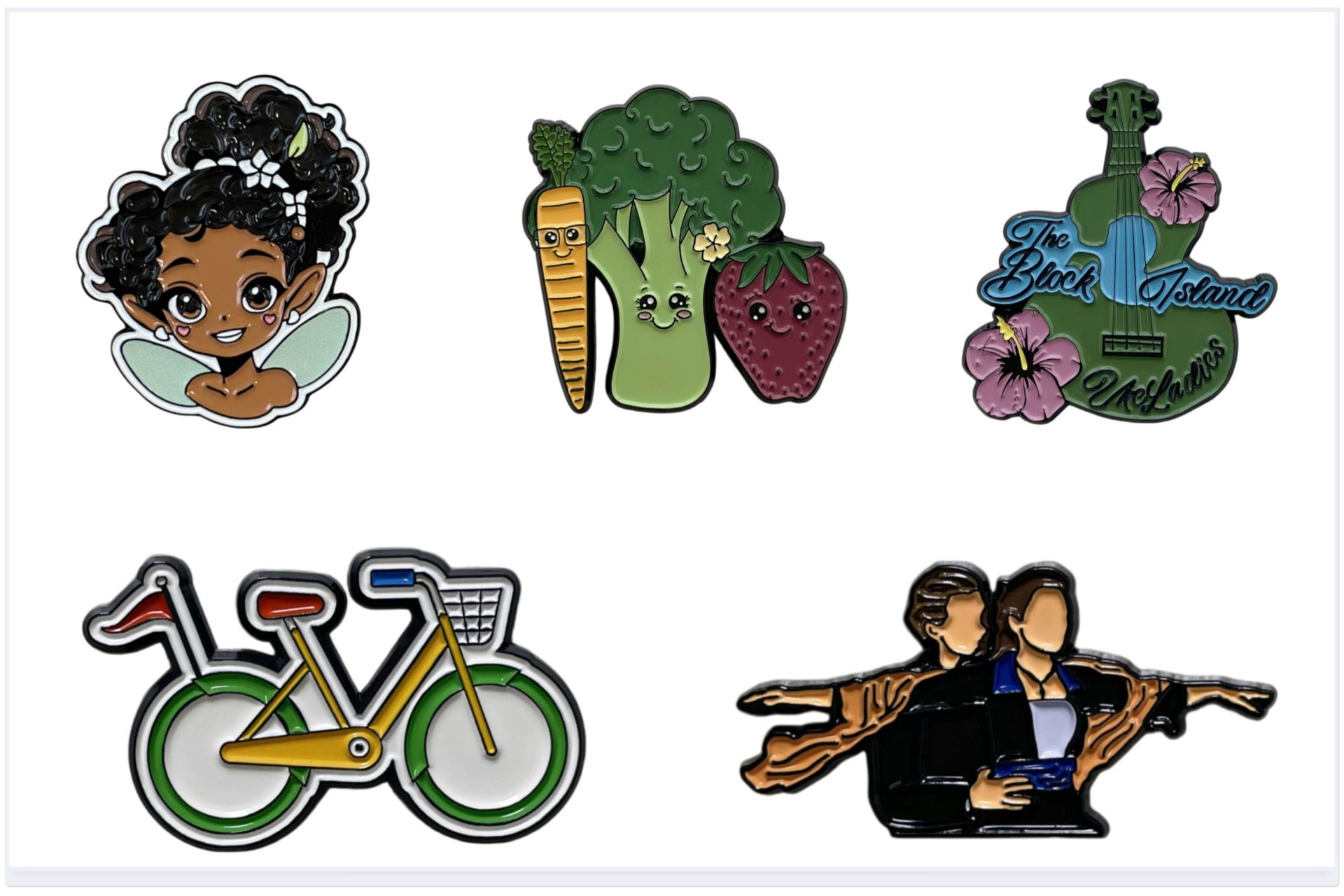
    custom-soft-enamel-pins-cute-fantasy-lifestyle-cartoon-collection-showcase

    custom-soft-enamel-pins-cute-fantasy-lifestyle-cartoon-collection-showcase

    This is where raw metal transforms into a vibrant, finished product through specialized surface treatments:

    1.Polishing & Electroplating: Raw metal blanks are deburred and hand-polished before entering electroplating baths. Here, pins receive their metallic finish—such as shiny gold, silver, nickel, rose gold, or antique bronze.

    2.Precision Color Filling: Skilled technicians fill the recessed color cavities according to your specified Pantone shades:

    ● Soft Enamel: Liquid enamel paint is injected into recessed areas using automated dispensers or precise hand needles, then cured in high-temperature baking ovens.

    ● Hard Enamel: Color paste fills the cavities, gets baked, and is then hand-ground and polished level with the metal borders.

    3.Epoxy Coating (Optional):
    A clear dome of epoxy resin can be applied to soft enamel or printed pins for added scratch resistance and a glossy finish.

    Step 4: Assembly, Attachment & Quality Control (Final Inspection)

    Before leaving our factory, every badge undergoes final assembly and rigorous testing:

    Attachment Soldering & Attachment: Butterfly clutches, rubber caps, safety pins, or strong neodymium magnets are securely attached to the back.

    Strict QC Inspection: Our quality control team inspects every single pin for plating flaws, enamel pinholes, color accuracy, and attachment durability.

    Once approved, pins are packed into protective individual OPP bags, custom backing cards, or velvet gift boxes, ready for global express shipment.

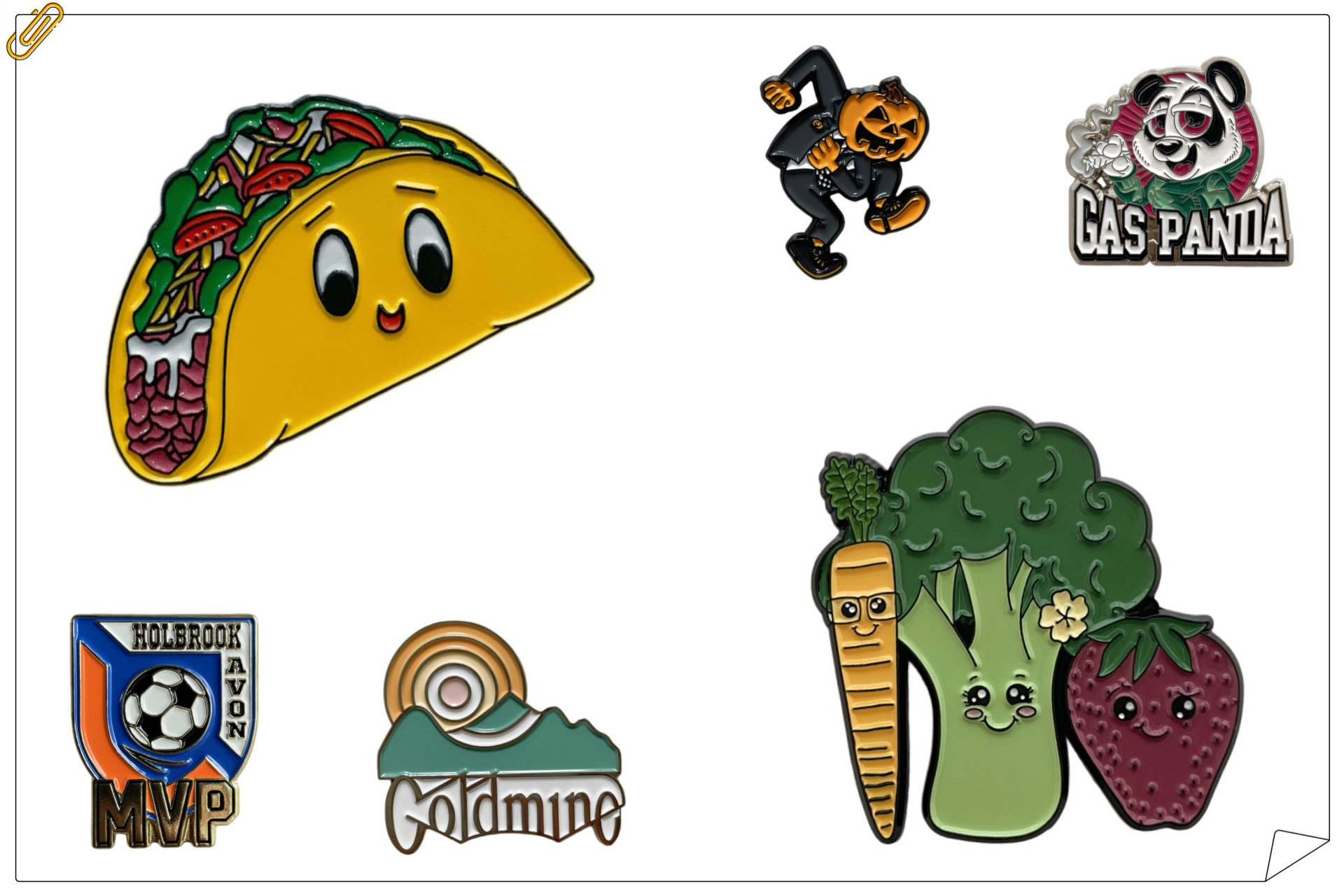
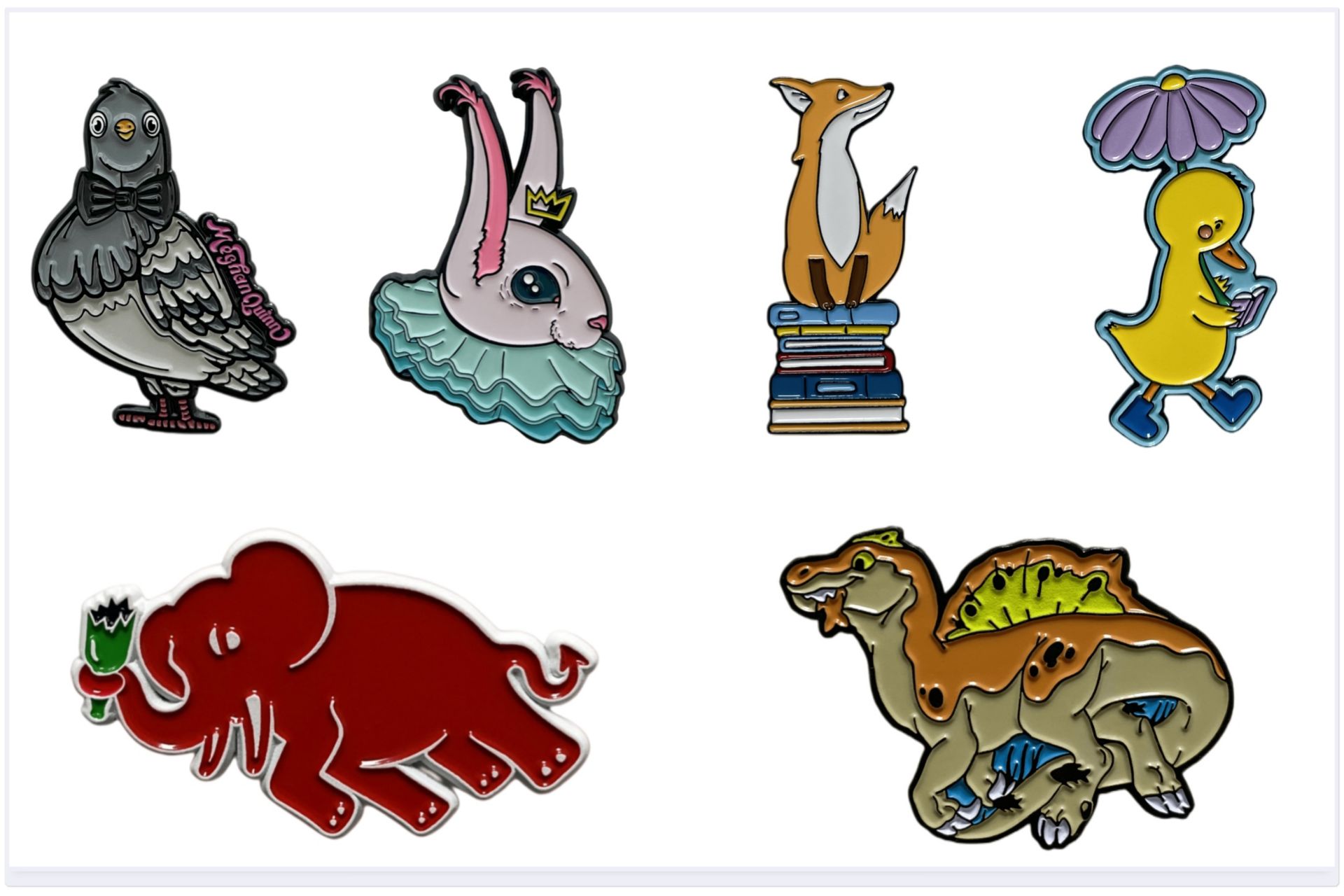
    custom-soft-enamel-pins-whimsical-animal-creature-cartoon-collection-showcase

    custom-soft-enamel-pins-whimsical-animal-creature-cartoon-collection-showcase

    How to Choose a Reliable Custom Pin Manufacturer

    Understanding the manufacturing process helps you make informed choices for your project. When selecting a custom badge supplier, keep these key factors in mind:

    Proven Expertise & Portfolio: Look for a manufacturer with a diverse showcase of past projects across various industries and crafts.

    Always Order Pre-Production Samples: Physical proofing allows you to verify color, size, and plating in person before committing to mass production.

    Clear Guarantees & Turnaround Times: Work with suppliers who offer transparent lead times (typically 15–25 days), clear quality guarantees, and responsive customer support.


    Ready to Start Your Custom Pin Project?

    A superior custom pin is the result of exceptional design, precise manufacturing, and uncompromising quality control. At pinsbadges.com, we streamline the entire process from vector proofing to final delivery.

    Have a design idea or vector file ready? Contact our production team today for a free quote and digital artwork proof!