Author: Pinsbadges

  • Custom Pins Craze: Big Meaning Behind Small Pins

    Custom Pins Craze: Big Meaning Behind Small Pins


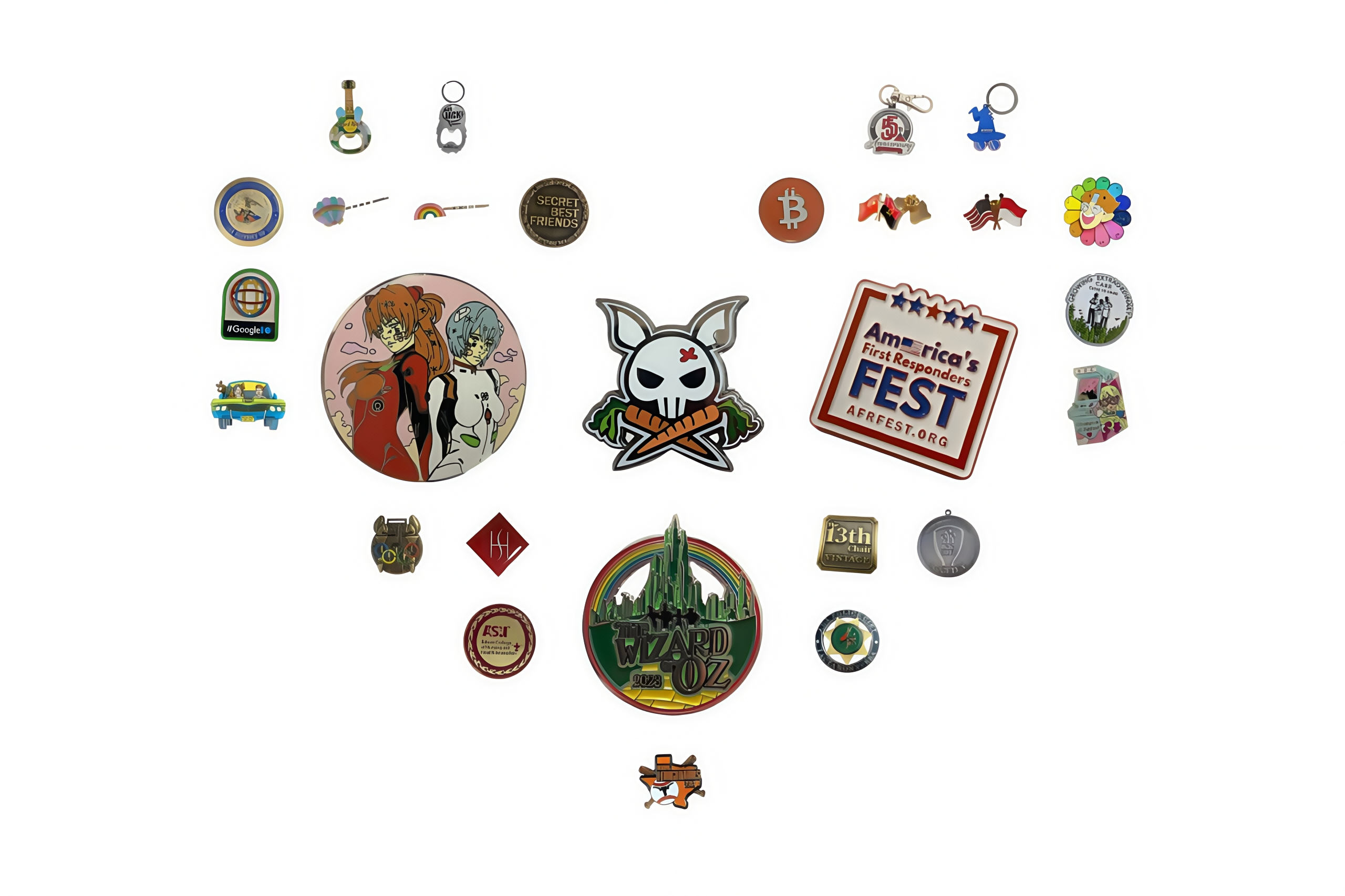
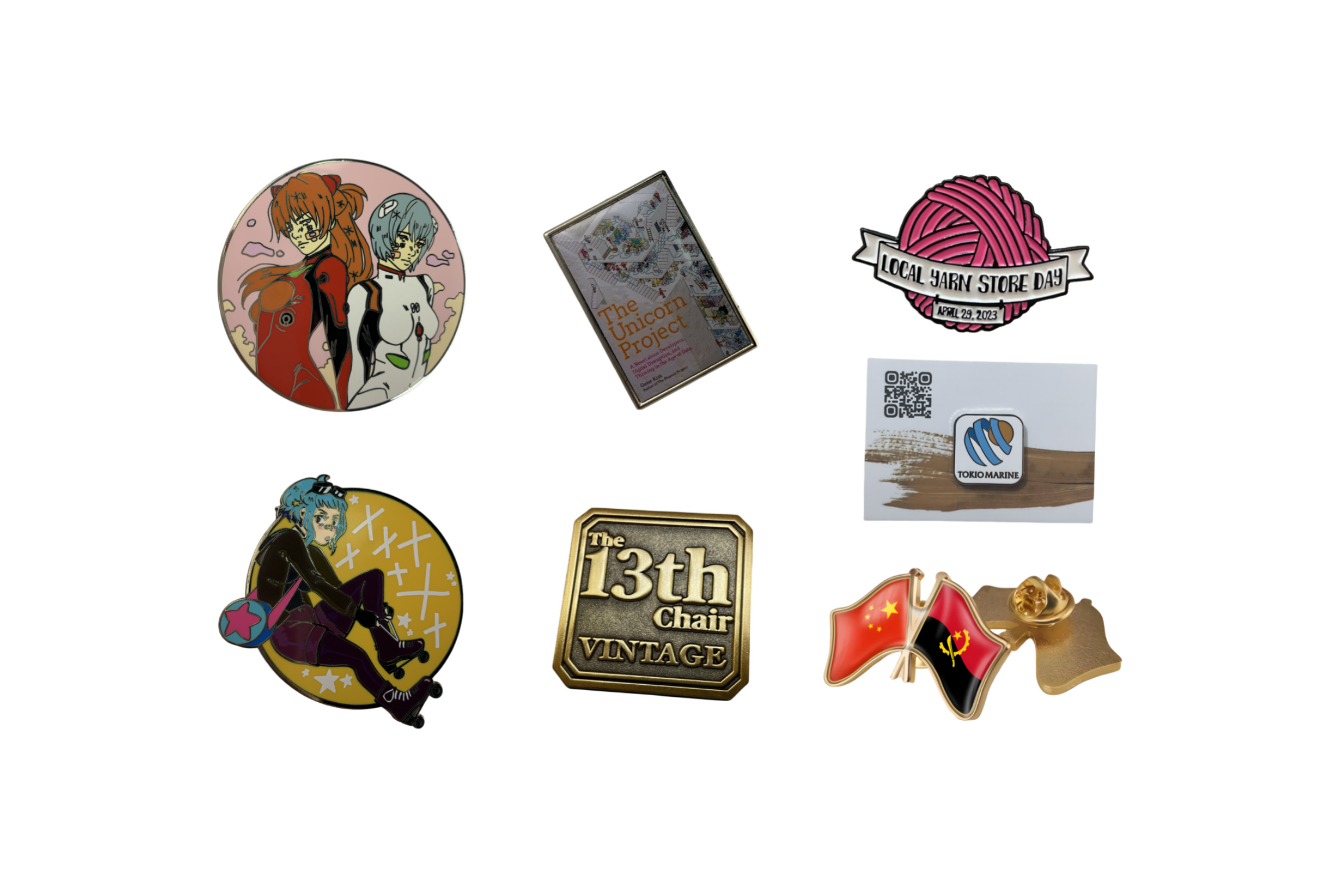
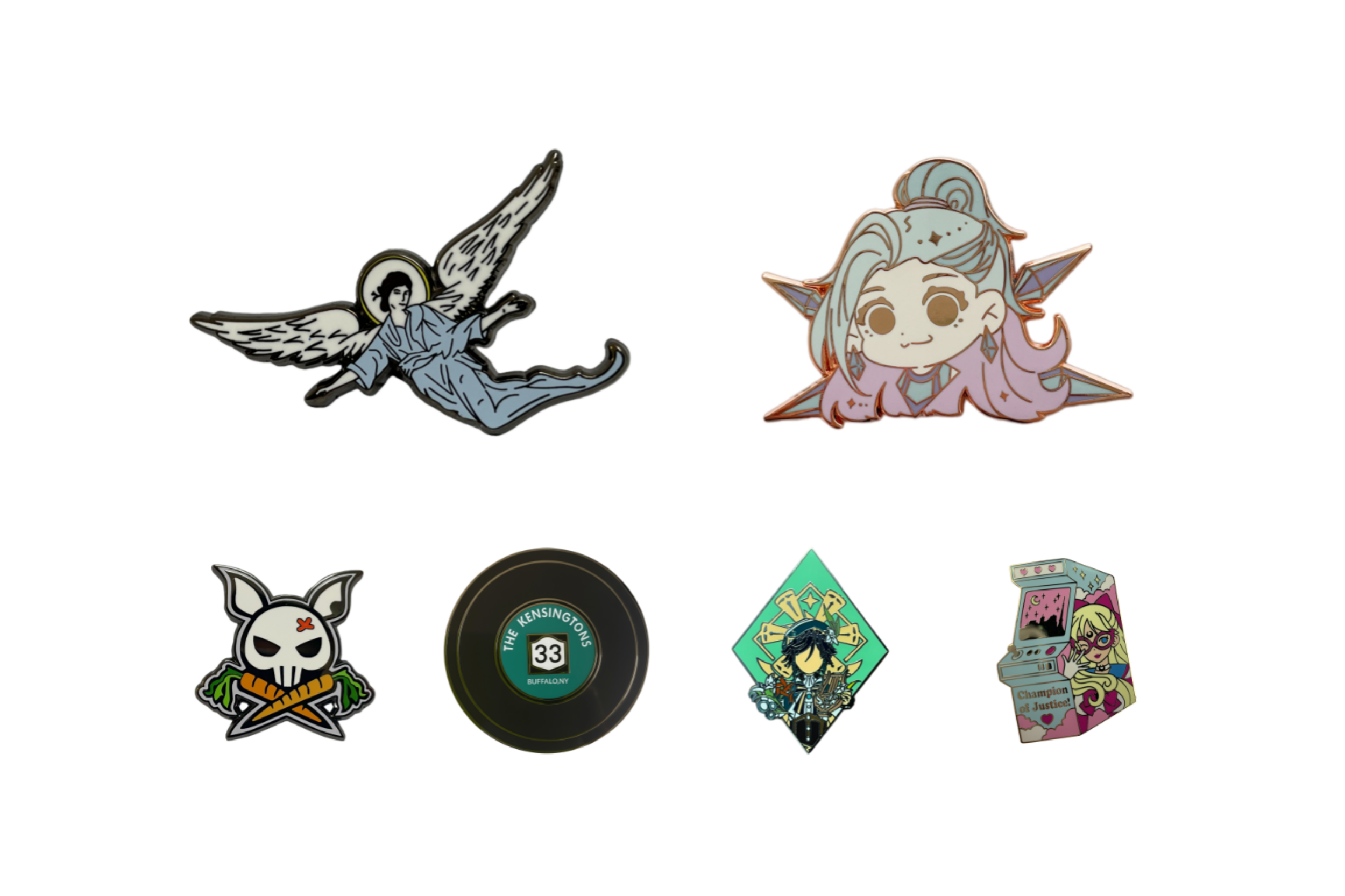
    With the growing demand for personal expression and group identity, custom pins have quietly become a global cultural trend. From street-style backpacks to anime fans’ ita bags, and even company uniforms, carefully designed lapel pins and enamel pins are becoming a powerful way to show individuality and strengthen community bonds.

    But what deeper psychological needs and cultural shifts does this custom pin craze reveal in modern society?


    Part I: Why Are Customized Pins Becoming So Popular?

    The Exploding Demand for Personal Expression

    In a world dominated by mass production, people seek unique items that reflect their personality. Personalized pins deliver exactly that—they are affordable, stylish, and showcase one’s hobbies, passions, or values. A small pin badge often becomes the finishing detail that makes an outfit stand out.

    The Flourishing Growth of Community Culture

    Cultural circles like anime, gaming, and fan communities use pins and enamel badges as “symbols” of identity. Wearing a custom lapel pin can instantly signal belonging, helping like-minded people connect while strengthening group pride.

    The Rise of Emotional Consumption

    Today’s consumers look beyond function—they want products with emotional value. A custom enamel pin can represent a memory, a fandom, or a milestone, making it far more meaningful than generic merchandise.

    Social Media Is Fueling the Trend

    On platforms like Instagram, TikTok, Pinterest, and Xiaohongshu, showcasing pin collections has gone viral. Collectors proudly display their favorite custom lapel pins, inspiring others to join the community.

    Technology Lowers the Barrier to Customization

    With e-commerce platforms and specialized suppliers, anyone can now design and order custom pins at affordable prices, often with low minimum orders. This accessibility has made custom enamel pins mainstream across individuals, groups, and businesses.


    Part II: The True Meaning and Value of Custom Pins

    For Individuals:

    Identity: Showcasing personal interests, values, and affiliations

    Emotional Carrier: Turning abstract emotions (love for a team, admiration for a character) into tangible designs

    Memory Preservation: Acting as a “mini time capsule” of journeys, events, or achievements

    Self-Motivation: Using pins as personal milestones or rewards

    For Groups and Organizations:

    Cohesion Building: Strengthening unity with shared lapel pins

    Cultural Communication: Expressing values and philosophy through design

    Brand Building: A cost-effective marketing tool for businesses

    Commercial Value: A driving force behind fandom economies and collectible merchandise


    Part III: Who Drives the Custom Pin Market?

    1. Anime and Fan Communities

    Why they love pins:

    Physical expression of love for characters and fandoms

    Enamel pins as a “passport” or “currency” within fan culture

    Collecting unique pins builds recognition in communities

    Supporting independent artists and pin makers

    2. Brands and Businesses

    Motivations for custom pins:

    Boosting employee unity with branded lapel pins

    Affordable, high-impact promotional giveaways

    Enhancing event visibility and corporate culture

    Building lasting visual brand identity

    3. Cultural and Creative Collectors

    Why they collect pins:

    Appreciation for artistry and unique design

    Commemorating travel experiences with souvenir pin badges

    Supporting museums, artists, and niche creators

    Seeking rare or limited-edition enamel pins

    4. Interest-Based Groups

    Examples: Sports clubs, schools, volunteer groups, book clubs
    Uses:

    Strengthening group identity with custom badges

    Celebrating events or achievements with commemorative pins

    Creating reward systems within communities

    Adding ritual and tradition to group activities

    5. Everyday Personal Expression

    How the general public uses pins:

    Personal milestones like weddings, birthdays, and graduations

    Sharing humor, views, or creativity with enamel pins

    Elevating everyday fashion with stylish accessories

    Giving personalized pins as unique, meaningful gifts


    Part IV: The Deeper Appeal—Why Do People Love Pins So Much?

    Desire for Identity

    Custom pins act as a declaration of self: “Who am I, and where do I belong?”

    Emotional Concreteness

    Pins turn abstract emotions into physical, collectible designs that people can hold and display.

    Social Connection

    Lapel pins are excellent icebreakers—many friendships start with “I love that pin too!”

    A Sense of Control

    Designing a personalized pin gives people complete control over a small creation, offering both joy and accomplishment.

    A Complement to Digital Life

    While so much of life is online, physical enamel pins give people something tactile and grounding—a balance between the digital and real.


    Small Pins, Big Impact

    The rise of custom enamel pins is no coincidence. They directly address modern needs for individuality, community, and emotional expression. Tiny as they are, pins are powerful—both as canvases for self-expression and as symbols that connect people.

    Whether it’s for identity, creativity, branding, or belonging, custom pins allow people to make their voice visible. And that may be the greatest significance behind this cultural phenomenon.
  • Lapel Pin vs Enamel Pin: What’s the Difference?

    Lapel Pin vs Enamel Pin: What’s the Difference?

    people often use “lapel pin” and “enamel pin” like they mean the same thing, but there’s a real difference:

    Lapel Pin (the big category)

    ·A lapel pin is any small decorative pin designed to be worn on clothing (traditionally on a suit lapel, but also on hats, bags, or collars).

    ·It’s a broad term that covers many types: enamel pins, metal pins, printed pins, 3D molded pins, rhinestone pins, etc.

    ·They’re often used for brand logos, organizations, awards, political symbols, awareness ribbons, or fashion accessories.

    Think of “lapel pin” as the umbrella term for the whole pin family.

    Enamel Pin (a specific type)

    ·An enamel pin is a type of lapel pin made using enamel coloring techniques.

    ·The design is stamped or cast into metal, then filled with enamel paint (soft enamel = textured, hard enamel = smooth and polished).

    ·Enamel pins are especially popular for collectibles, fandom merch, artist designs, and colorful fashion pins.

    Every enamel pin is a lapel pin, but not every lapel pin is an enamel pin.


    Comparison of lapel pins and enamel pins:

    FeatureLapel PinEnamel Pin
    DefinitionA broad term for any small decorative pin worn on clothing, usually on a jacket lapel.A type of lapel pin made by filling recessed areas with enamel paint.
    MaterialsMetal, enamel, resin, rhinestones, fabric, or a mix.Always metal base + enamel coloring (hard or soft).
    Design OptionsIncludes enamel pins, die-struck metal pins, 3D molded pins, printed pins, awareness ribbons, etc.Focused on colorful, detailed artwork; can be hard enamel (smooth) or soft enamel (textured).
    Typical UseCorporate logos, awards, recognition pins, political symbols, fashion accessories.Collectible art, fandom merch, trendy fashion pins, creative self-expression.
    Look & FeelCan be sleek, metallic, or ornamental depending on type.Vivid colors, strong lines, polished or textured surfaces.
    PopularityTraditional and versatile.Especially popular among younger audiences, artists, and collectors.


    Quick analogy:

    ·Lapel pin = “shoes”

    ·Enamel pin = “sneakers”
    All sneakers are shoes, but shoes can also be boots, sandals, or loafers.


    Key Takeaway

    ·Lapel pin is the umbrella category → covers all decorative pins.

    ·Enamel pin is one specific style of lapel pin → colorful, artistic, and highly collectible.

  • Best Material for Custom Lapel Pins – Complete Guide

    Best Material for Custom Lapel Pins – Complete Guide

    The Soul of the Lapel Pin: Reveal the Best Materials for Custom Enamel Pins, Create Your Own Eternal Mark

    A small lapel pin—pinned to a collar, backpack, or hat brim—is far more than decoration. It’s a silent declaration, a symbol of belonging, a tangible anchor of cherished memories, and a miniature totem of brand spirit. Throughout history and across cultures, enamel pins carry deep emotional weight—from the Legion’s honour medal to a limited‑edition music‑festival keepsake, from a corporate logo worn with pride to the secret code of a fan community. When you decide to customise an exclusive custom lapel pin, material choice becomes the crucial decision that gives it a unique soul, texture, and lasting vitality.

    So, with so many options, what is the best material for custom lapel pins? There’s no single answer—it depends on the story you want your pin to “tell”, the emotion it should convey, and the value you wish it to hold.


    1. Metal Lapel Pins: Eternal Classics with an Aura of Authority

    When you seek the ultimate in texture, heirloom value, and that unmistakable sense of authority, metal lapel pins reign supreme—especially when paired with enamel pin craftsmanship.

    Enamel Pins — The Crystallisation of Craft and Art

    Hard Enamel Pins / Cloisonné

    The pinnacle of craftsmanship. Metal wires (copper or gold) define the outline; coloured glazes are kiln‑fired repeatedly and then mirror‑polished. The result is a porcelain‑smooth finish, extreme hardness, deep, fade‑proof colour, and a warm, jade‑like feel—ideal for high‑end brand logos, heirloom souvenirs, and achievement medals. It embodies eternity, exquisiteness, and supreme value.


    Best substrate: premium brass base + genuine gold or silver plating.

    Soft Enamel Pins / Epoxy Enamel

    A modern classic. The metal base is stamped with recessed outlines and filled with coloured epoxy resin. The unpolished surface delivers a tactile texture (raised metal lines and slightly recessed colour fields). Colours are bright and expressive, and cost efficiency is high. Add a transparent epoxy resin dome to boost scratch resistance, fade resistance, and gloss—perfect for event souvenirs, fan enamel pins, trendy brands, and corporate promotions. It radiates vitality, creativity, and community spirit.
    Core materials: brass or zinc‑alloy base + high‑quality electroplating (imitation gold, silver, antique bronze, etc.) + epoxy‑resin dome.

    Die‑Struck Pins — A Symbol of Strength and Weight

    Process: A steel die stamps metal (usually zinc alloy) under high pressure to achieve a pronounced 3D relief.

    Features: Surfaces are finished with electroplating (gold, silver, antique bronze, nickel) or painted for detail. The resulting lines are bold, the texture substantial—ideal for conveying strength, tradition, and heritage (military and police lapel pins, club insignias, retro logos).

    Best materials: zinc alloy (durable, easily shaped, cost‑effective) + premium electroplating or paint.


    2. Embroidered Patches: Warmth, Softness, and Limitless Creativity

    For affinity, flexibility, intricate patterns, or vintage appeal, embroidered patches offer unique charm. Though not metal pins, they serve as a soft-touch alternative for apparel branding.

    Embroidered Patches — A Fusion of Craft and Touch

    Technique: Coloured threads stitched onto a base fabric (polyester, cotton, or blends). Edge finishes include raw-cut (for a retro vibe), laser-cut (for precision), or heat‑sealed (for durability).

    Features: Soft, warm feel; layered colour depth (excellent for gradients); breathable and resistant to warping. They carry a hand‑crafted feel, vintage style, and a sporty‑casual spirit—widely used on denim jackets, baseball caps, motorcycle club gear, sports‑team kits, outdoor apparel, and charity merch.

    Best materials:

    • Base fabric: durable polyester (vibrant, shrink‑resistant), soft natural cotton (cozier but prone to wrinkles), or textured PU leather.
    • Threads: high‑tenacity polyester or rayon with excellent colourfastness.
    • Backing: hot‑melt adhesive (self‑adhesive) or sew‑on options.

    Eco trend: Organic‑cotton threads and recycled‑polyester fabrics are on the rise.


    3. Silicone & PVC Pins: Trendy, Safe, and Highly Mouldable

    When you prioritise a soft touch, 3D shapes, safety (especially for children), or vibrant uniform colours, silicone pins and PVC pins shine.

    Features:

    • Soft, elastic, comfortable, and gentle on surfaces and skin.
    • Exceptional mouldability enables intricate 3D forms, cut‑outs, and even special effects (glow‑in‑the‑dark, colour‑changing).
    • Colours tend to be one‑ or two‑tone but richly saturated, giving a modern, playful vibe.
    • Waterproof and weatherproof.

    Applications: Fashion accessories, cartoon/anime merch, children’s toys, promotional giveaways, water‑bottle and bag charms, safety signage.

    Best materials: Food‑grade silicone (softer, more elastic, safer, eco‑friendlier but costlier) or PVC rubber (firmer, budget‑friendly). Quality raw materials ensure non‑toxicity, odourlessness, colour stability, and ageing resistance.


    4. Choosing the “Material” for Your Lapel Pin’s Soul: A Decision‑Making Framework

    What emotions and values do you want to convey?

    • Eternal, authoritative, collectible → Hard‑enamel enamel pin (brass + real gold/silver plating)
    • Vibrant, creative, community‑driven → Soft‑enamel lapel pin with epoxy (brass + premium plating) or high‑quality embroidered patch (polyester + colourfast threads)
    • Handmade warmth, vintage charmEmbroidered patch (cotton or polyester base)
    • Trendy, 3D, safeSilicone pin (preferably food‑grade silicone)
    • Powerful, historic, relief detail → Die‑struck zinc‑alloy lapel pin

    Usage scenario

    • Frequent daily wear/outdoors → Prioritise durability: epoxy‑dome soft enamel, die‑casting, quality embroidery, silicone.
    • Collector’s display or special occasions → Hard enamel’s timeless texture is irreplaceable.
    • Sewn onto garmentsEmbroidered patches are the natural choice.
    • Children’s items or safetySilicone pins excel.

    Design complexity

    • Ultra‑fine lines, tiny text → Soft enamel, high‑resolution digital printing, or embroidery (size permitting).
    • Large colour areas, bold hues → Hard enamel, soft enamel, or silicone offer the richest saturation.
    • Complex 3D modelling → Die‑casting or silicone.

    Budget

    • Highest investment: Hard enamel > intricate die‑casting/3D silicone > soft enamel with epoxy/high‑quality embroidery > standard soft enamel/die‑casting > basic silicone/PVC > simple printing/embroidery.

    Sustainability

    Ask suppliers about lead‑free enamels, eco‑friendly plating processes, recycled metals (e.g., recycled brass), organic‑cotton threads, recycled‑polyester bases, and food‑grade silicone.


    Conclusion: The Best Material Is the One That Tells Your Story

    There’s no one‑size‑fits‑all answer to the best material for custom lapel pins. Hard enamel metal embodies timeless artistry and top collectible value; soft enamel with epoxy strikes an ideal balance of vibrancy, detail, and durability; quality embroidery conveys unmatched handmade warmth and vintage flair; food‑grade silicone defines a trendy, safe, tactile experience; and die‑cast zinc alloy delivers strength and gravitas.

    The true “best” material is the one that perfectly matches your pin’s narrative, emotion, use case, and value proposition. By understanding each material’s “soul traits” and aligning them with your core needs, you’ll make the wisest choice.

    Ready to transform your vision into an emblem that resonates? Define the story your lapel pin needs to tell, and the perfect material will reveal itself—creating an emotional imprint worth cherishing, wearing, and proudly sharing.

  • How’s a badge made?

    How’s a badge made?

    Look at that little thing on your chest!


    Is it the viral Labubu? Or maybe some idol merch that makes you squeal and throw your money at the screen? Don’t kid yourself — it’s not just a chunk of metal with a splash of paint. Its birth is basically a full-on industrial glow-up.

    Today, let’s go undercover as “badge agents” and sneak into the factory (don’t worry, my Uncle Bob’s the boss ) to see how a humble “metal pancake” transforms into that eye-catching little masterpiece on your jacket.

    Step 1: Draw That “Cake” — Design & Mold

    • Designers = dream weavers.
      Your wild ideas (like your idol’s perfect face ) need to become precise blueprints.
    • The colors? Have to be clearly labeled — rose gold vs. yellow gold? Tiffany blue vs. sky blue?
      Pantone numbers are their IDs. Mess it up, and you’ll question your entire existence.
    • The file needs to be vector art (AI or EPS) — blow it up 800x and it still looks squeaky clean. Lines crisp like fresh laundry.

    Step 1.5: Pick Its “Outfit”

    What style do you want your badge rocking?

    • Enamel (cloisonné / imitation): Colors look like tiny gemstones framed in metal.
      Soft enamel feels a bit bumpy (so satisfying), while hard enamel’s so smooth you could check your teeth in it. Fancy, timeless, CEO vibes.
    • Printed: Want photo-level detail? Gradients? Bring it. Printed directly on the metal. Downside: it needs a protective resin “topcoat” or it could scuff.
    • Pure Metal:
      A “cold industrial” look. No colors, just raw metal flexing.
      Sandblasted (matte), polished (blinding), brushed (grainy), distressed (vintage) — it’s all about texture.
    • Painted (star of the show ):
      Spray-painted + baked. Colors pop so hard they practically ooze. Can handle gradients, neon, even glitter. Faster than enamel, thicker than printing, and tough as nails. Those modern, color-explosion pins? Mostly these.
    • 3D:
      No flat badges here! Turn it into a tiny sculpture that looks ready to jump up and wave. Costs more, but who cares — pretty > everything.

    Step 2: Give That Metal a “Facelift” — Stamping

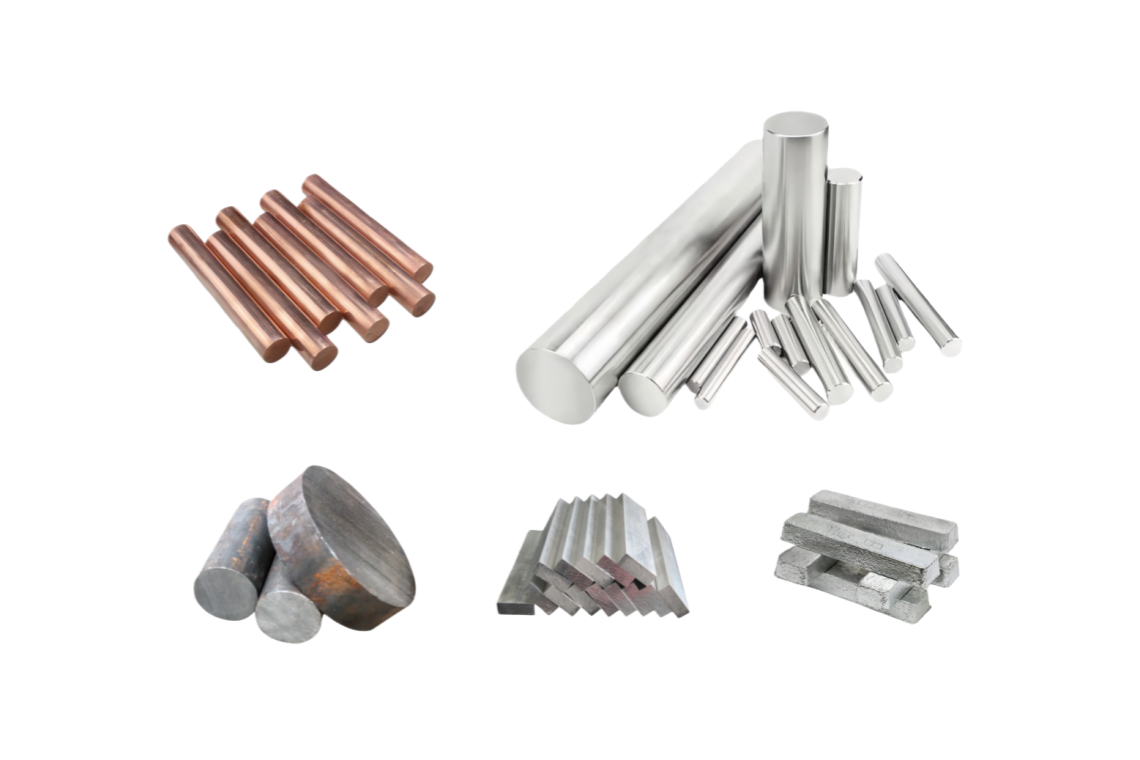
    • Choose your base metal:
      • Zinc alloy (the star): 90% of pins. Shapes easily, doesn’t crack, affordable.
      • Copper (the rich kid): Great for ultra-detailed reliefs (think hair strands on coins). Costs more.
      • Iron (the budget bro): Cheap but rusts — needs extra plating. Perfect for promos.
      • Aluminum (lightweight champ): Light as air, nice for big eco-friendly badges.
    • Then comes the big butt machine (the press).
      The metal sheet goes in the mold… WHAM! — dozens or even hundreds of tons slam down.
      Too soft? Your badge relief ends up flat like a pancake. Too hard? Metal cracks.
      Takes Shaolin-level control.

    Step 3: Smooth the “Stubble” — Grinding & Polishing

    Freshly pressed badges might have tiny “whiskers” (burrs). Ouch.
    They get tossed in a vibrating tumbler with ceramic bits for a little rock ‘n roll until smooth.
    Or zapped with a laser shaver that leaves it slick enough for a fly to slip doing the splits.


    Step 4: Dress It Up — The Color Run (the real showstopper)

    • Base coat first:
      Electroplating gives it a shiny film and rust protection. Gold, silver, gunmetal… whatever suits your vibe.
    • Then the star treatment:
      • Enamel: Tiny needles fill grooves with liquid enamel, then it’s oven-baked. Hard enamel gets polished flat, smooth like Dove chocolate. Soooo silky.
      • Printed: Machines blast on complex, HD gradients like it’s nothing. Just top it with clear resin so it doesn’t “faceplant” later.
      • Painted:
        1. Mask off areas to stay metal with heat-proof tape. (Crooked? GG.)
        2. Electrostatic spray paints perfectly even.
        3. Bake. Spray. Bake. Spray. Like a thousand-layer cake.
        4. Peel off the tape (or laser it off). Instant satisfaction seeing that shiny metal peek out.
        5. Finish with a clear topcoat — glossy or matte. Protection + texture boost.
    • Pure Metal:
      No colors, just fancy finishes: sandblasted (matte cool), polished (bling attack), brushed (industrial chic), or distressed (hipster antique).

    Step 5: Give It a “Crystal Coat” — Epoxy (optional but amazing)

    Many enamel and printed pins get topped with clear epoxy resin.
    Once set, it’s like a crystal jelly dome.

    • Makes colors pop + slightly 3D, like a built-in magnifier.
    • Toughens it up — scratch, fade, and UV resistant. Basically Botox for your badge.

    Step 6: Attach the “Tail” — Choose a Back Clasp

    Time to pin it on. Your options:

    • Butterfly clutch (classic queen): Cheap, sturdy, reliable.
    • Magnet (gentle flower): Easy on/off, safe for silk & cashmere.
    • Rubber cap (playful cutie): Light, perfect for hats or tees.
    • Screw back (bodyguard): Bulletproof hold. Used for medals, police badges.
    • Locking clasp (sneaky assistant): Little locking mech stops it from popping off at the club.

    Step 7: Quality Control — The Judgment Day

    None of these babies escape inspection.

    • Colors match Pantone?
    • Any chips, scratches, uneven plating?
    • Back clasp solid?
    • Resin free of bubbles or cracks?

    If not: instant rejection. QC eyes sharper than a hawk.

    Step 8: Pack It Up for “Marriage”

    The perfect pins get slipped into little OPP bags (like wedding dresses), nestled in fancy boxes, then boxed up sturdy for their journey to you — arriving fresh, flawless, and ready to shine.

    After reading all this, bet you’re thinking:

    “Damn, making a tiny badge is more complex than building a rocket.”
    It’s literally precision engineering + artistry + chemical wizardry packed into one shiny mini.


    For your fave idol, team events, fan clubs, or just to flex.

    5 top places to make them:

    PinsBadges — global, bilingual, tiny orders (30+), online 3D previews. Pricier but stress-free.
    BadgeMaker — direct from factory, kills middlemen costs. Starts ~100 pcs, great for groups or companies.
    Etsy — indie designers with custom art, niche finishes like watercolor/UV. ~$15 each, 1 month wait.
    Artist Shops — official BTS, Taylor Swift etc. Licensed + numbered. Pricey ($25+), but hey, love.
    Vistaprint — 72-hr rush, as cheap as $1.99, but plasticky. One-off events only.

    Pro tips so you don’t get burned:

    • Always ask lead times — US factories average 4-6 weeks. Rush fees might cost more than the badges.
    • Get a ASTM B117 salt spray test report for anti-rust proof.
    • On Etsy? Look for “Star Seller” + pay by credit card.

    Quick action plan:

    • Testing the waters? PinsBadges: ships CN↔US, bilingual, no time zone headache.
    • Bulk? BadgeMaker: big orders can drop to $0.80/pin.
    • Collecting? Follow Etsy sellers for “back in stock” alerts on limited runs.

    Hard-earned tip:
    If a US shop wants to mass produce without sending a sample first — RUN.
    (Edits start at $200. Tears won’t fix a botched design.)